



LoL Skins Price List (2026 Update): RP Tiers, Legendary & Ultimate Skins, Sales, Mythic Shop, and Value Guide
LoL SKINS PRICE LIST: RP TIERS, LEGENDARY & ULTIMATE SKINS, SALES, AND BEST VALUE (Updated for 2026)
Skins are one of the biggest reasons people fall in love with LoL: they change a champion’s look, animations, sound effects, voice lines, and sometimes even the “feel” of basic attacks.
This guide gives you a timeless way to understand skin pricing, what each tier usually includes, when skins go on sale, how limited skins return, and how to decide what’s worth buying.
It also includes a curated “Legendary and Ultimate by release date” timeline using iconic examples, plus a practical buying strategy that stays relevant even as the store evolves.
For official background on tiers and how Riot thinks about skins, you can check Riot’s own articles and support pages like
Skins 101
and tier breakdown pages such as
Price Tiers (regional example).
Before we dive in, if your main goal is climbing ranks rather than collecting cosmetics, you can also take a look at our
Boosteria services, including
Wild Rift boosting prices.
Table of Contents
- Quick LoL Skin Price List (RP Tiers)
- What You Get at Each Skin Tier
- Sales, Discounts, and “Why This Skin Never Goes on Sale”
- Mythic, Prestige, and the Mythic Shop
- Loot, Rerolls, and Smart Ways to Collect Skins
- How to Decide if a Skin Is Worth It
- LoL Legendary Skins by Release Date (Curated Timeline)
- LoL Ultimate Skins by Release Date (Core Classics)
- Legendary Skins Removed from Sale (Legacy Vault Examples)
- Wild Rift Skins vs LoL Skins: Cores, Crafting, and Gacha Differences
- FAQ: Skin Pricing, Sales, Refunds, and Collection Tips
- Legacy Section: Older RP Tiers and How Pricing Shifted
- More Boosteria Content & Services
QUICK LoL SKINS PRICE LIST
LoL skins are commonly grouped into price tiers (RP). The exact catalog inside each tier changes over time as older skins get re-evaluated and as new content types appear,
but the tier “meaning” stays fairly stable: higher tiers usually include more custom work (new SFX, VFX, animations, voice).
| Tier | Typical RP Price | What It Usually Means | Best For |
|---|---|---|---|
| Deluxe | 750 RP | Often lighter updates (model/texture), limited VFX; many older skins live here. | Budget buys, nostalgia picks, casual champions. |
| Standard | 975 RP | Classic “normal tier” skin; usually a solid model/theme change with some polish. | Most players’ best value baseline. |
| Epic | 1350 RP | Modern standard for “wow” value: strong VFX/SFX, themed recall, high detail. | Mains who want a premium feel without Legendary pricing. |
| Legendary | 1820 RP | Big transformation: voiceover, new animations, lots of custom elements. | One-champion mains and collectors. |
| Ultimate | 3250 RP | Flagship tier: evolving forms/unique systems, major feature set. | Signature “forever” skins for long-term mains. |
Official regional pricing examples can differ slightly due to store adjustments, but the tier structure is consistent.
If you want a Riot support reference for tier pricing (regional example), see
Riot Support: Price Tiers.
Legendary skins and Ultimate skins are typically the most developed with different visual and sound effects, custom animations,
and often full voiceover changes. They do not give gameplay buffs.
LEGENDARY AND ULTIMATE SKINS SALE
Unlike usual skins, Legendary and Ultimate skins usually don’t follow the same predictable discount rhythm as lower tiers.
When they do get discounts, it’s often tied to special windows (launch periods, special events, or curated rotations).
What You Get at Each Skin Tier
A skin’s tier is less about “rarity” and more about “scope of work.” When you understand what’s typically included,
you stop buying based on splash art alone and start buying based on the parts you’ll actually experience every match:
auto-attack feel, spell clarity, audio feedback, and how readable the model is in teamfights.
Deluxe (often 750 RP): the budget-friendly classics
Deluxe-tier skins are usually theme-forward without heavy engineering. You’ll often get a clear model change, new textures,
and a distinct vibe, but fewer unique effects. Many older skins live here because they were made when skin standards were simpler.
If you like older LoL aesthetics, these can be great.
Standard (often 975 RP): the “best baseline” tier
Standard is where you’ll find the most balanced value per RP. These skins often have clean theming, recognizable silhouettes,
and just enough extra polish to feel special. For most champions you only play occasionally, this tier is usually the smartest buy.
Epic (often 1350 RP): modern production value
Epic is where LoL skins start to feel “premium” in motion. Expect more noticeable VFX/SFX work, stronger theming, and a higher chance
of getting a satisfying recall and a cohesive “full package.” If you main a champion but don’t want to pay Legendary prices, Epic often wins.
Legendary (1820 RP): the champion transformation tier
Legendary skins typically include a major kit of upgrades: new voice lines, new animations, stronger spell identity, and a clear transformation.
For one-tricks, this is often the tier that makes the champion feel “new” again without changing gameplay.
Ultimate (3250 RP): flagship features
Ultimate skins aim to deliver something that other tiers rarely do: evolving forms, special UI systems, multiple themes in one skin,
or an interactive experience that changes throughout the match. When an Ultimate skin lands well, it can be the only skin you ever need for that champion.
Sales, Discounts, and “Why This Skin Never Goes on Sale”
Players often assume sales are random. In practice, sales and availability are shaped by a few predictable forces:
tier rules, content rotations, event windows, and limited availability categories.
Weekly/rotating discounts
Many lower-tier skins appear in rotating discounts. If your goal is building a collection efficiently, patience beats impulse buying:
watch for your champions and keep a short wishlist. Standard and Epic skins are commonly the “sweet spot” for sale shopping.
Launch windows and early purchase behavior
New skins sometimes get a limited-time promo window early. If you’re the type who buys on release, you’re paying for freshness.
If you’re value-driven, waiting often rewards you—especially for skins outside the highest tiers.
Limited availability categories
Some skins live in special buckets: event-limited, vault/legacy, esports-themed, charity releases, or “only returns sometimes” content.
These categories are what create the feeling of “I can’t buy this even though I have RP.”
Refunds and buyer protection habits
Treat skins like long-term purchases. Before spending, do three quick checks:
- Watch a spotlight video to see spell effects and auto-attack feel.
- Check in-game clarity (some flashy skins look amazing but feel noisy in fights).
- Make sure you actually play the champion enough to justify the tier.
Mythic, Prestige, and the Mythic Shop
Beyond RP tiers, modern LoL includes premium cosmetics often connected to special currencies and shop rotations.
The most important concept to understand is that some skins are no longer “buy any time” items—they’re “rotation” or “event” items.
Mythic Essence and the Mythic Shop
Mythic skins and Prestige content often appear through the Mythic Shop, which is accessed through the Loot area in the client.
Riot’s official explanation is here:
Mythic Shop and Mythic Essence FAQ.
The best “timeless” strategy with Mythic content is to avoid panic buying. If you’re collecting, plan around rotations:
keep Mythic Essence for the champion you truly care about, and don’t spend it just because something looks rare today.
Prestige skins: the collector’s lane
Prestige skins are aimed at collectors, mains, and players who enjoy event cycles. Their value is emotional and aesthetic rather than gameplay-based.
If you love the champion, Prestige can be a signature flex. If you don’t, it’s often better to buy two Epic skins you’ll actually use.
Loot, Rerolls, and Smart Ways to Collect Skins
If your goal is a big skin collection rather than specific targeted skins, loot systems can be more efficient than direct purchases.
The trade-off is control: you gain value but lose precision.
Skin shards and permanents
Shards let you unlock a skin at a discount (via crafting) or combine duplicates (rerolls). This is best when:
- you like many champions and don’t mind randomness
- you’re building a wide collection rather than “one perfect skin”
- you want to stretch currency and accept surprise outcomes
Reroll philosophy: the “collection builder” approach
Rerolls are strongest when you already have many lower-tier skins and you want higher chances of landing something you don’t own.
Early on, targeted crafting (unlocking shards you actually want) usually feels better than reroll gambling.
Don’t confuse “rare to obtain” with “good to play”
Some skins are rare because of availability windows, not because they feel great in-game. Always prioritize how a skin feels in motion:
clean VFX, satisfying SFX, readable model, and auto-attacks that match your rhythm.
How to Decide if a Skin Is Worth It
A timeless way to judge value is to stop thinking “how pretty is the splash art?” and start thinking “how much will I actually experience this skin?”
Here are five practical criteria that work year after year:
1) Champion hours: how often will you play it?
If you play a champion weekly, Epic or Legendary can be worth it. If you play them once a month, Standard is usually enough.
2) Auto-attack feel (especially for marksmen)
For ADC players, auto-attacks are the skin. Some skins make last-hitting smoother, some feel heavier or sharper, and some feel oddly delayed.
Always watch gameplay footage before buying high-tier skins for champions where rhythm matters.
3) Spell clarity and teamfight readability
Flashy effects can be fun, but clarity wins games. If a skin makes you misread your own spell edges in chaotic fights,
it might look amazing and still be a bad purchase for ranked.
4) Voice lines and personality
Legendary skins often include voiceover that can either become your favorite part of the champion or something you eventually mute.
If you’re sensitive to repetition, consider whether the voice lines fit your taste long-term.
5) “One-skin rule” vs “wardrobe rule”
Some players want one perfect signature skin. Others want variety. If you’re a “one-skin” person, save for a Legendary/Ultimate that truly fits.
If you’re a “wardrobe” person, two Standard/Epic skins may give you more long-term enjoyment than one top-tier purchase.
LoL LEGENDARY SKINS BY RELEASE DATE (CURATED TIMELINE)
Below is a curated timeline of iconic Legendary skins that can be purchased in the store (plus a later section for examples that moved into the vault).
Early Legendary skins were sometimes “Legendary” mostly because of voiceover; modern Legendary standards usually include deeper animation and VFX/SFX work.
That difference is why some older Legendaries feel like “expensive classics,” while newer ones feel like full champion reimaginings.
CORPORATE MUNDO
Mundo appears as the BIG BOSS with a corporate tyrant fantasy and a full personality shift.
The most memorable part is the voiceover and the comedic identity—this is the type of Legendary that people buy for character,
not for modern-level spell work. It’s also a great example of how “old Legendary” design was often voice-driven rather than VFX-driven.
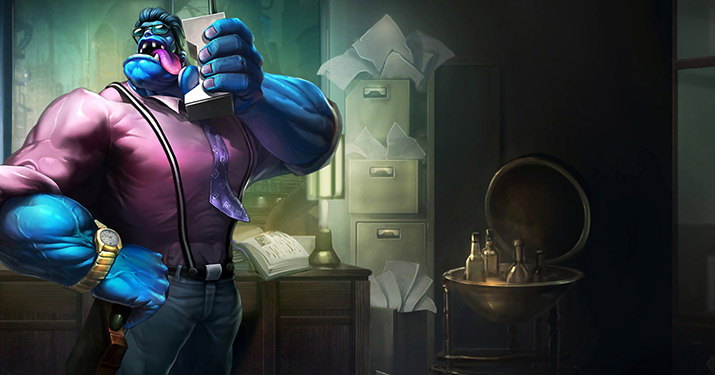
Release date: 13 September 2010
GENTLEMAN CHO’GATH
A classic “voiceover-first” Legendary. The charm is in the humor and the exaggerated gentleman persona.
If you love Cho’Gath and want the meme energy, it’s a timeless pick. If you’re buying purely for modern visuals, you’ll feel the age.
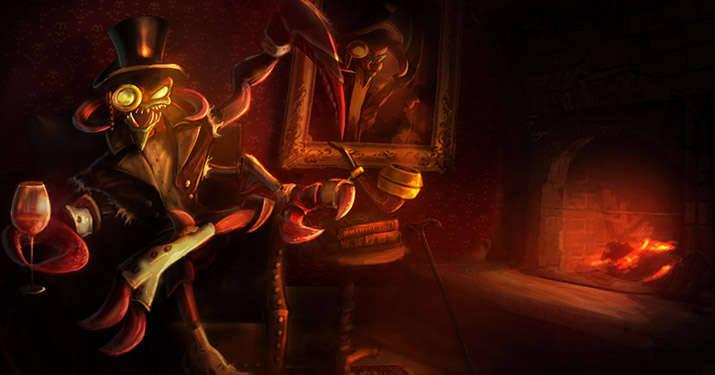
Release date: 11 May 2010
BROLAF
Brolaf is peak “party parody” energy: it’s loud, silly, and built around personality.
Like many early Legendaries, the lasting value is audio and character theme more than cutting-edge effects.
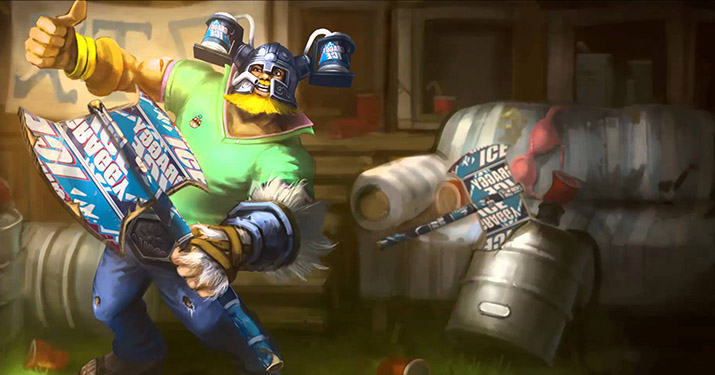
Release date: 1 December 2010
NUNU BOT
Nunu Bot is a futuristic robot fantasy with a big identity change. It’s a good example of a Legendary that feels “cool” even when the spell package is more conservative.
If you care most about model and voice theme, it’s fun; if you care about full VFX redesign, you may prefer newer-tier standards on other champions.
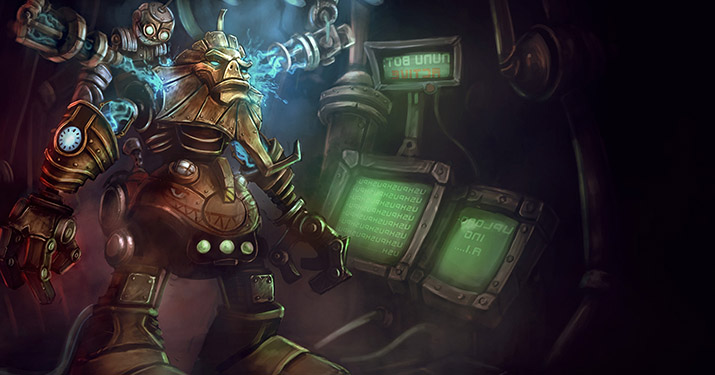
Release date: 2 May 2011
DEMONBLADE TRYNDAMERE
Demonic Tryndamere is often remembered as one of the early attempts to push Legendary quality upward.
It’s a darker fantasy with stronger “champion re-theme” energy, and it helps show how Riot’s standards evolved:
animation and effect identity started to matter more, not just voice lines.
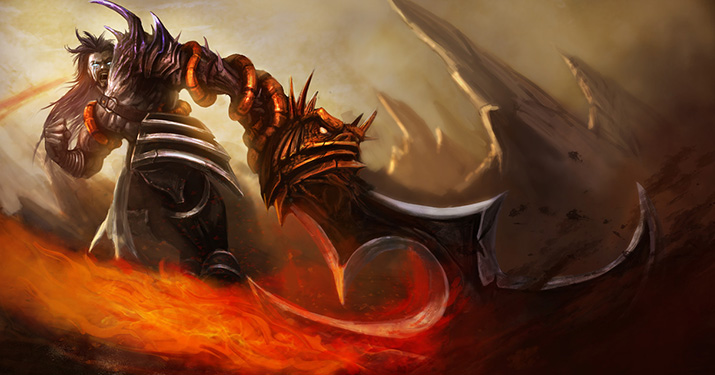
Release date: 2 August 2011
BLOODLORD VLADIMIR
Blood Lord Vladimir is an iconic vampire fantasy with strong voice, emotes, and thematic sound.
Even when a Legendary is older, a clean concept can keep it relevant because the identity remains satisfying.
If you main Vlad and want a “true form” vibe, this is still a classic.
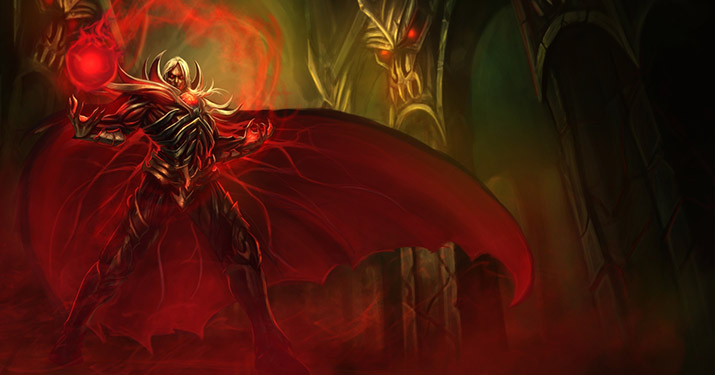
Release date: 2 August 2011
SURPRISE PARTY FIDDLESTICKS
Surprise Party is a legendary-status experience at a historically lower price point, built around comedic horror.
The real value is the theme and the sound/visual personality: it’s the kind of skin that makes even losing lanes feel funny.
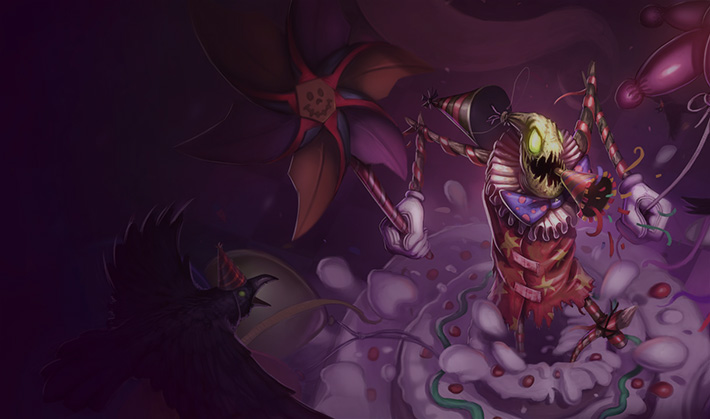
Release date: 27 October 2011
GATEKEEPER GALIO
Gatekeeper Galio is a demon-lord fantasy with a strong voiceover identity.
This is another skin where the personality and VO are the main reason to buy it—perfect for players who love lore flavor and character performance.
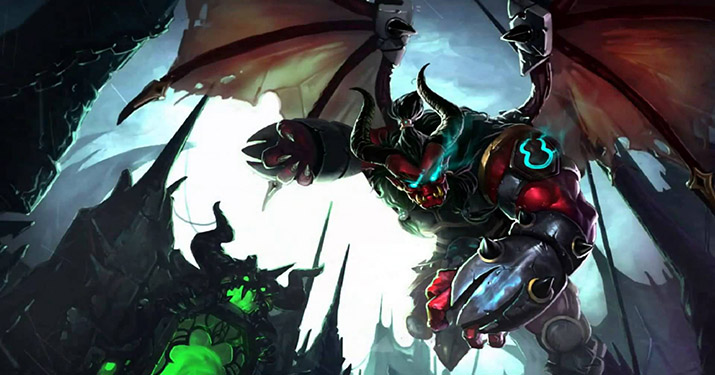
Release date: 23 April 2012
BATTLECAST CHO’GATH
Battlecast Cho’Gath is often viewed as the “modern pick” among Cho’Gath Legendaries because it leans into heavy thematic redesign.
If you want robotic brutality and stronger effect identity, Battlecast is the usual recommendation.
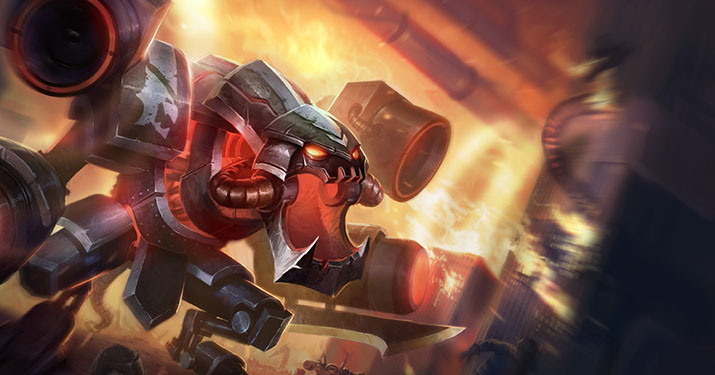
Release date: 3 August 2012
ETERNUM NOCTURNE
Eternum Nocturne delivers one of the most satisfying “audio identity” packages—especially around the ultimate.
If you value sound design and a heavy-metal vibe that makes every engage feel violent, this is a top pick for Nocturne mains.
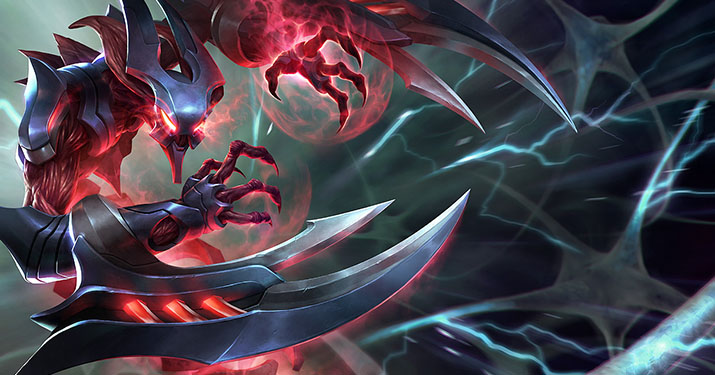
Release date: 5 December 2012
AETHER WING KAYLE
Aether Wing Kayle is known for reimagining Kayle with a more sci-fi authority vibe.
The reason it stays relevant is simple: it changes the emotional tone of the champion. If you like “judgment from above” energy, it lands.
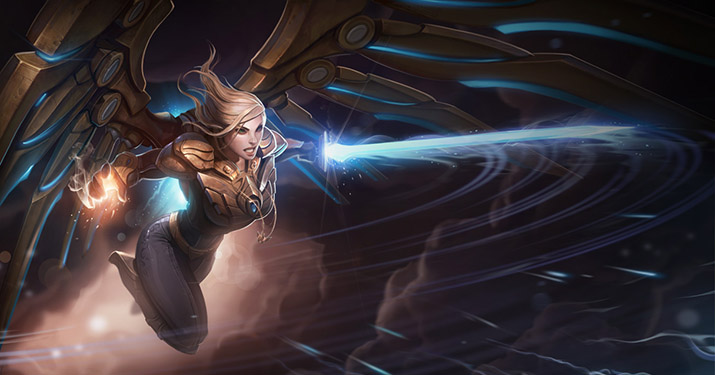
Release date: 17 January 2013
BLACKFROST ANIVIA
Blackfrost Anivia is the kind of Legendary you buy for spell visuals: the theme is readable and dramatic, and the ultimate is the main showpiece.
If you main Anivia, this skin usually feels like a genuine upgrade to your match experience.
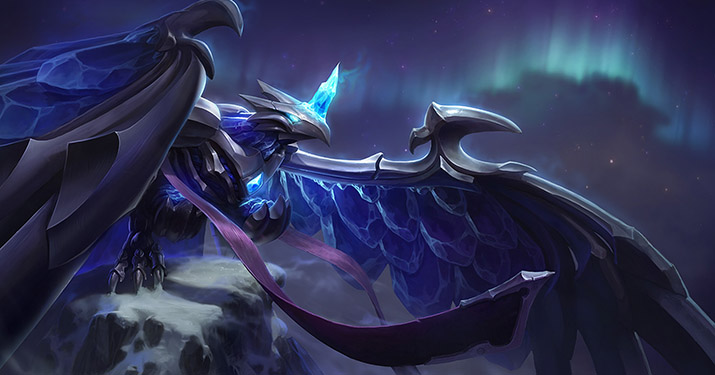
Release date: 30 April 2013
FORECAST JANNA
Forecast Janna is a legendary-tier personality machine: it feels like having a commentator attached to your champion.
If you love playful VO and constant flavor, this is a forever-classic. If you prefer quieter champions, it can feel “too talkative.”
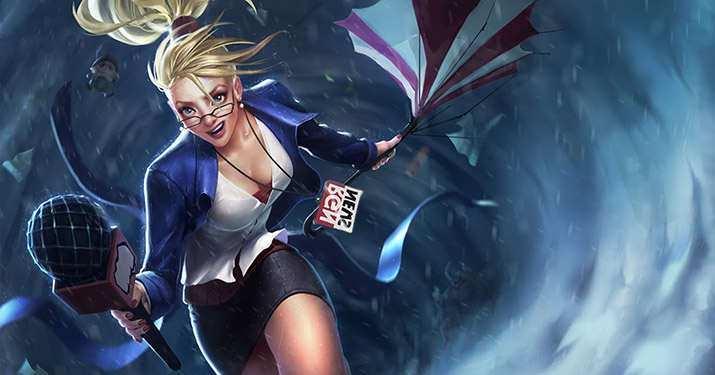
Release date: 5 September 2013
INFERNAL NASUS
Infernal Nasus leans into mythology and “hellhound guardian” vibes with strong voice flavor and thematic effects.
The best part is how the skin adds personality to stacking and scaling—your late game feels more dramatic.
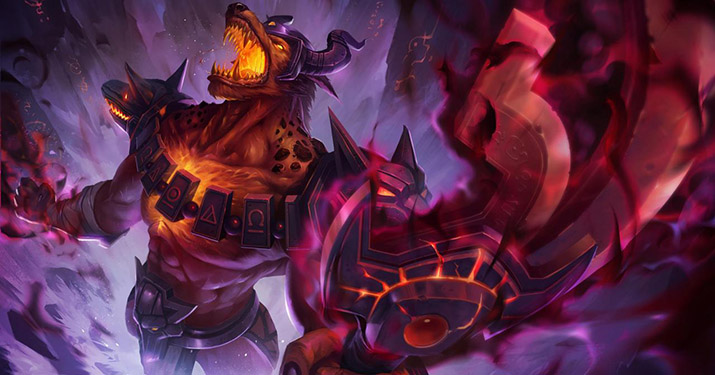
Release date: 21 November 2013
SUPER GALAXY RUMBLE
Super Galaxy Rumble is a fun-first Legendary: strong anime energy, big “mecha hero” identity, and effects that feel playful instead of serious.
If you want a skin that makes every match feel like an arcade show, this is it.
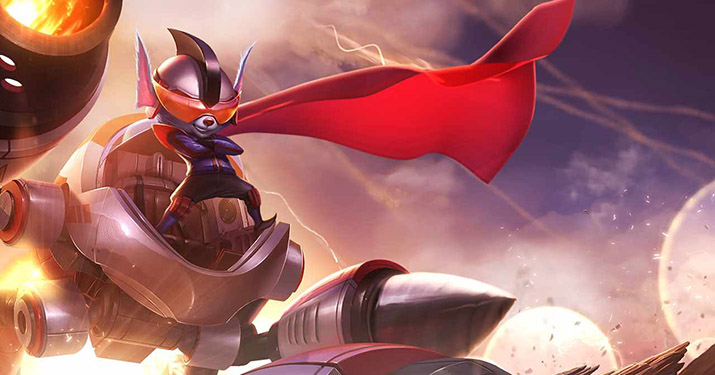
Release date: 3 April 2014
PRIMETIME DRAVEN
Primetime Draven is a “Legendary feel” skin at a historically lower tier price point, built around show-host swagger.
The reason it’s loved is how it changes the mood of the champion: every axe feels like a broadcast highlight.
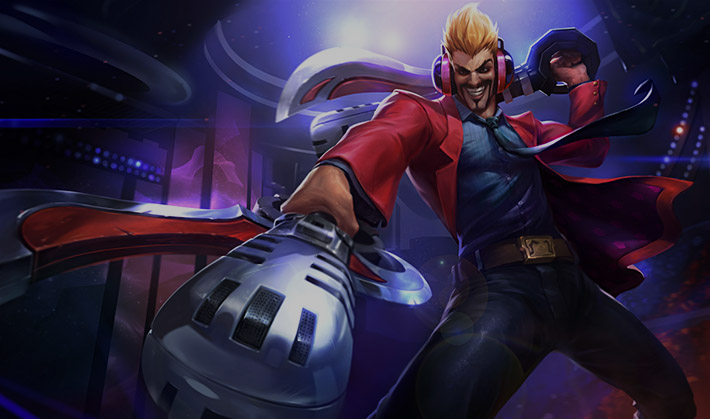
Release date: 3 April 2014
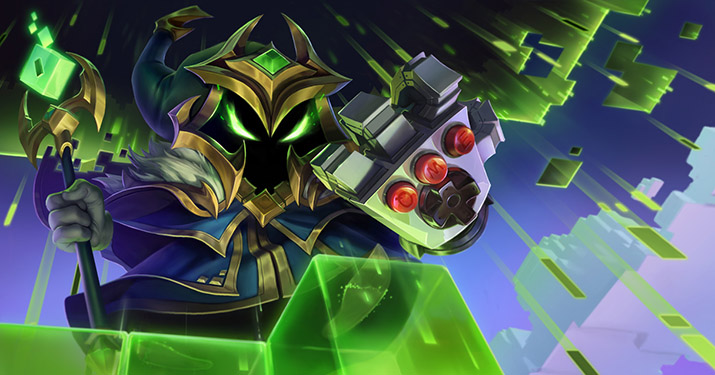
FINAL BOSS VEIGAR
Final Boss Veigar is a legendary-tier concept executed through retro game language: pixels, arcade sounds, and boss-stage energy.
It’s a reminder that “high value” doesn’t always mean “hyper-realistic”—it can mean a clean, coherent theme with satisfying feedback.
Release date: 28 August 2014
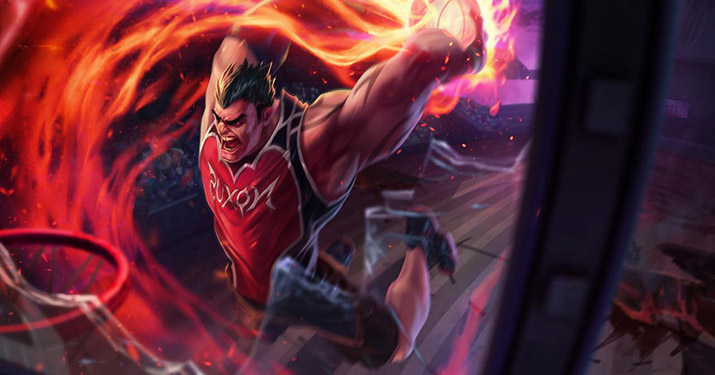
DUNKMASTER DARIUS
Dunkmaster Darius is pure community joke realization: basketball effects, dunk animation identity, and a “fun brutality” tone.
Skins like this stay relevant because they deliver a unique emotion every time the ultimate lands.
Release date: 28 August 2014
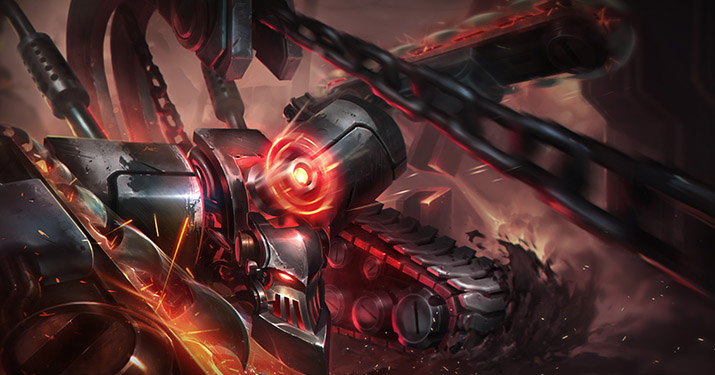
BATTLECAST ALPHA SKARNER
Battlecast Alpha Skarner leans into “killing machine” identity with heavy mechanical feedback and strong thematic cohesion.
For Skarner lovers, it’s often the skin that makes the champion feel most complete as a character fantasy.
Release date: 25 November 2014
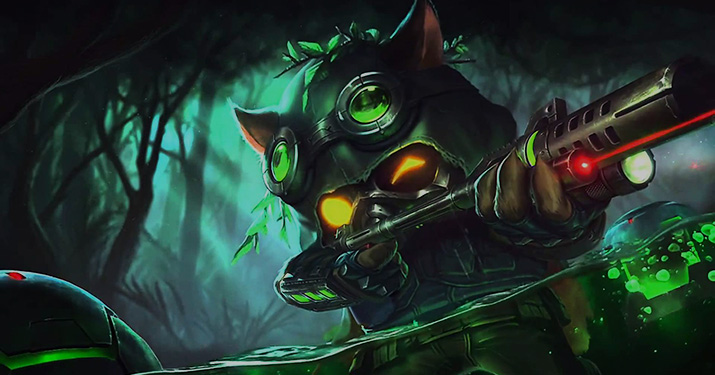
OMEGA SQUAD TEEMO
Omega Squad Teemo transforms the meme into a spec-ops fantasy with military styling and toxic effects.
It’s the kind of Legendary that changes how people react to the champion: Teemo becomes less “cute annoyance” and more “small nightmare.”
Release date: 9 April 2015
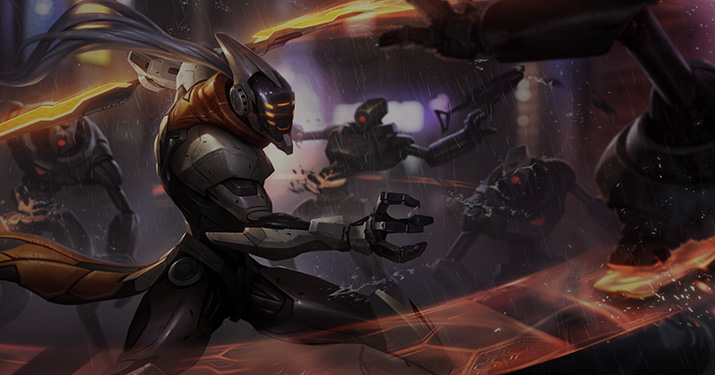
PROJECT: YI
PROJECT: Yi is a cyberpunk re-theme with strong audio identity and a satisfying transformation moment.
It’s a great example of how Legendary skins often focus on “combat feel” as much as visuals: sound and motion make the kit feel sharper.
Release date: 8 September 2015
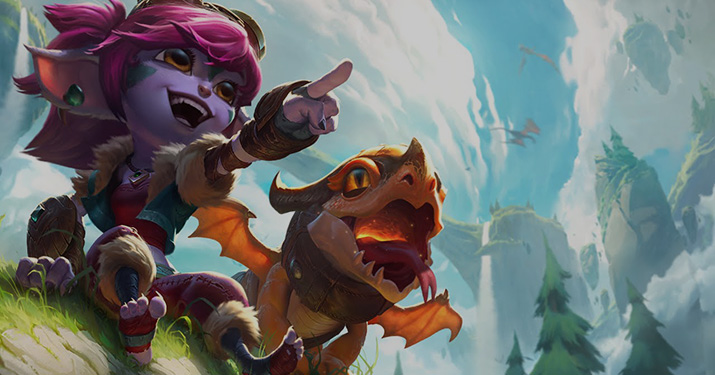
DRAGON TRAINER TRISTANA
Dragon Trainer Tristana is a “charm Legendary” with a pet-like identity that changes the emotional tone of auto-attacks and animation.
If you like skins that feel alive rather than just stylish, this one is a top classic.
Release date: 3 December 2015
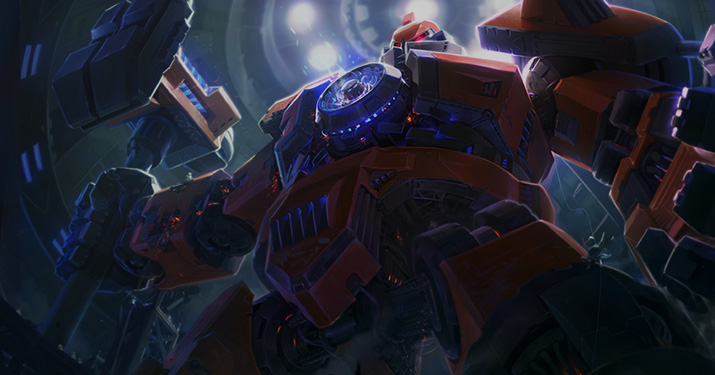
MECHA ZERO SION
Mecha Zero Sion is built around one centerpiece: the ultimate. Legendary skins often justify themselves with one “signature moment,”
and here it’s the transformation and impact feel when Sion charges across the map.
Release date: 14 April 2016
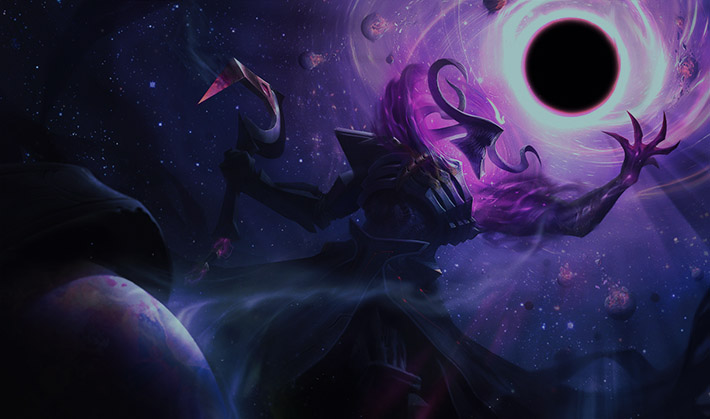
DARK STAR THRESH
Dark Star Thresh is cosmic horror with a surprisingly fun personality layer. It’s a strong example of modern Legendary design:
the theme touches everything—model, VFX language, audio, and the champion’s “presence” in the match.
Release date: 16 June 2016
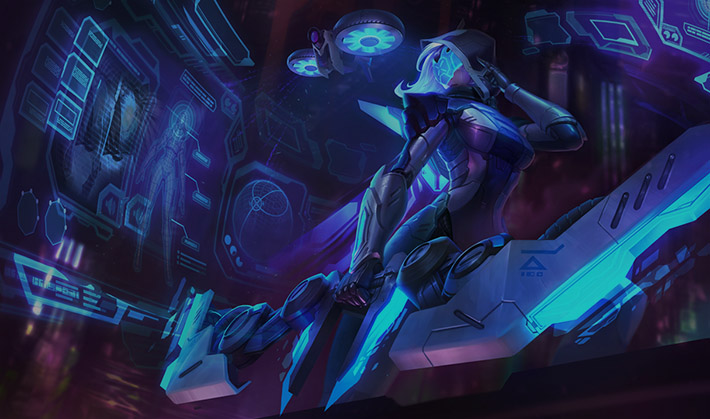
PROJECT: ASHE
PROJECT: Ashe takes a classic fantasy archer and re-forges her into a digital, tactical hunter with a clean VFX identity.
This is the kind of Legendary that wins because of coherence: every spell speaks the same “language.”
If you like the PROJECT universe, you may also enjoy our guide:
PROJECT skins in LoL.
Release date: 2 August 2016
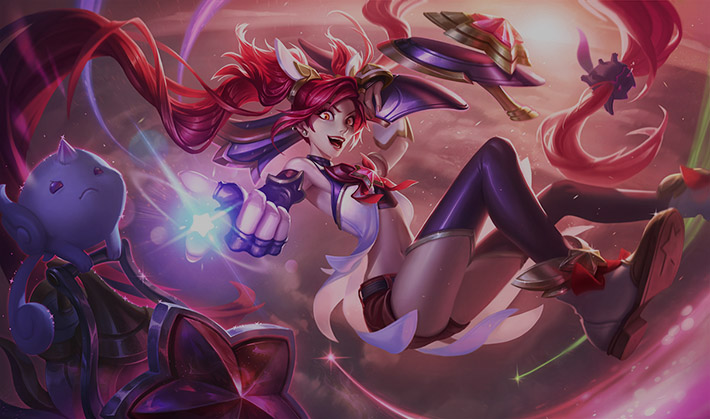
STAR GUARDIAN JINX
Star Guardian Jinx flips expectation: chaos girl becomes magical guardian, but keeps the “unhinged energy” in a new format.
Legendary skins like this often succeed because they reframe a champion without erasing what people love about them.
Release date: 6 October 2016
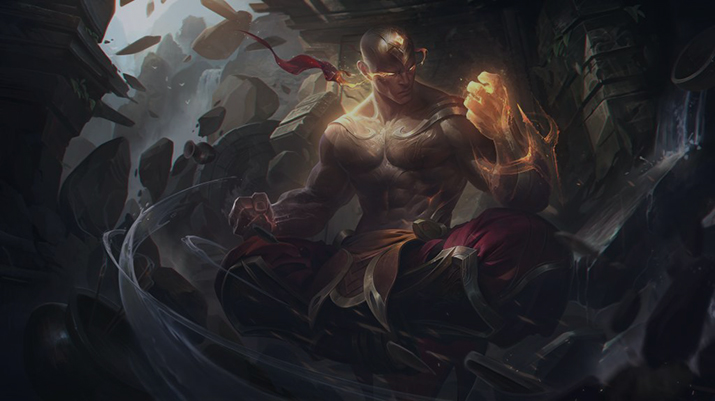
GOD FIST LEE SIN
God Fist Lee Sin is a “power fantasy” Legendary: crisp, bright, and built to make every combo feel mythic.
If you main Lee, this is the type of skin that can become your identity in ranked.
Release date: 6 April 2017
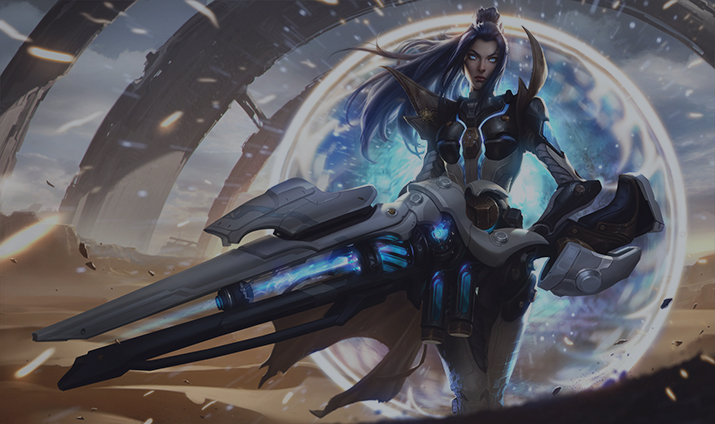
PULSEFIRE CAITLYN
Pulsefire Caitlyn leans into sci-fi precision with a sleek VFX identity and flashy recall flavor.
For Caitlyn mains, it’s often a “signature” skin because it makes headshots and traps feel high-tech and sharp.
Release date: 25 May 2017
NIGHTBRINGER YASUO
Nightbringer Yasuo is a heavy, dramatic re-theme that makes the champion feel like a mythic villain.
When a Legendary skin works on Yasuo, it’s because it changes the “tempo feeling” of Q and the ultimate moment—this one aims directly at that fantasy.
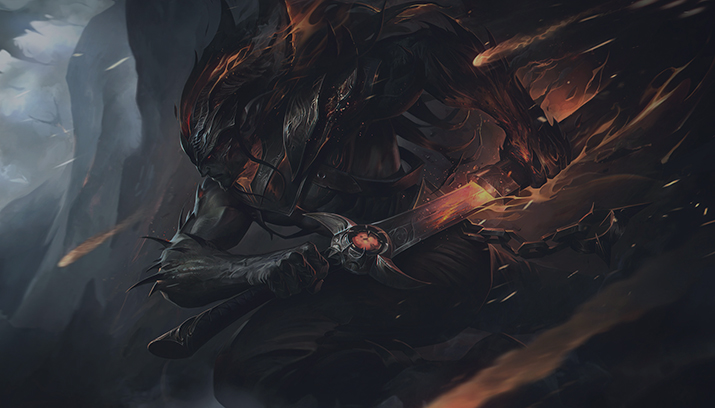
Release date: 15 June 2017
DAWNBRINGER RIVEN
Dawnbringer Riven arrived as a paired opposite to Yasuo’s Nightbringer theme, delivering angelic power fantasy with intense VFX.
If you love “clean light” spell language and dramatic ultimate moments, this is a strong long-term pick.
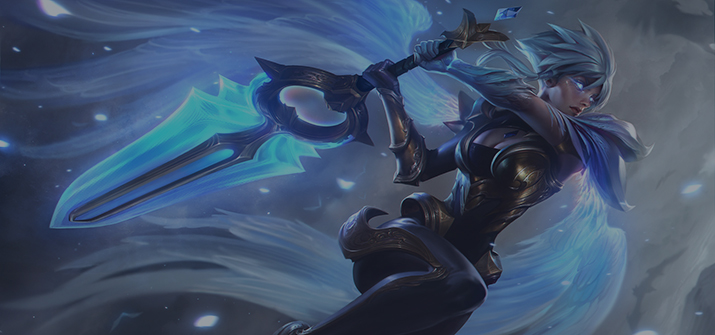
Release date: 15 June 2017
STAR GUARDIAN AHRI
Star Guardian Ahri is an anime-inspired Legendary that leans into character presence and magical effects.
It’s a good example of “theme consistency”: even small actions feel aligned with the universe the skin is selling.
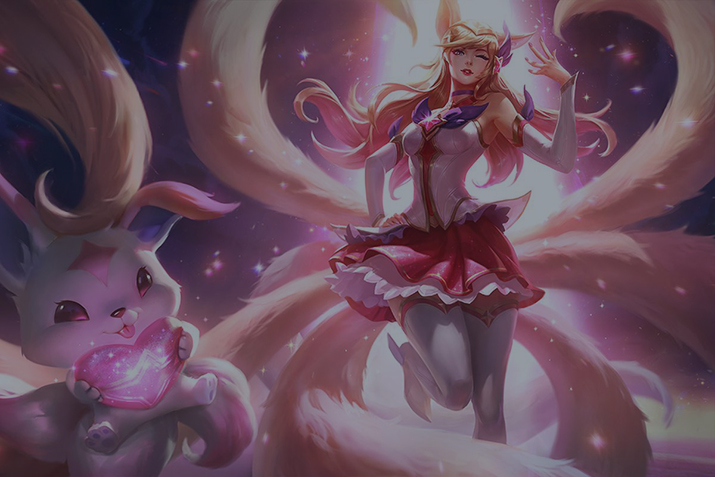
Release date: 15 June 2017
PROJECT: VAYNE
PROJECT: Vayne is sleek, tactical, and built around movement feel. Legendary skins for marksmen often win or lose based on how smooth basic attacks feel,
and this skin’s identity is designed to feel sharp and futuristic while keeping Vayne readable in fights.
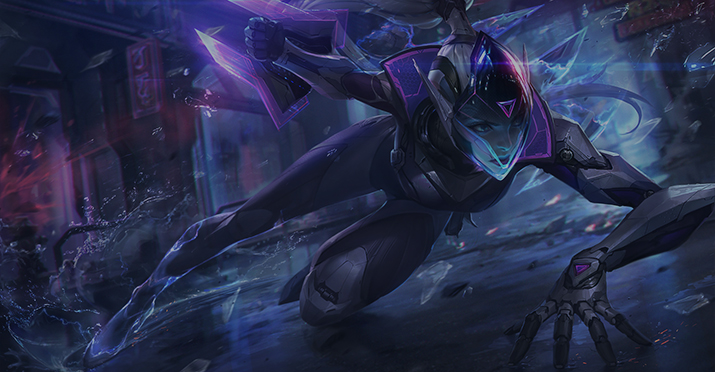
Release date: 22 November 2017
This timeline highlights classic examples. Legendary skin standards and acquisition methods can evolve, but the “value logic” stays constant:
higher tiers usually buy you more daily experience (sound, motion, spell identity), not gameplay power.
LoL ULTIMATE SKINS BY RELEASE DATE (CORE CLASSICS)
Ultimate skins are rare flagship releases designed to deliver a special system: evolving forms, multiple styles in one, or unique interactive features.
The exact set of Ultimate skins can expand over time, but the “Ultimate promise” is consistent: a major experience upgrade rather than a simple theme swap.
PULSEFIRE EZREAL
Pulsefire Ezreal is a milestone Ultimate concept: evolving appearance as the match progresses, strong VFX identity, and a “future tech” tone.
It’s the kind of Ultimate you buy if you want the champion to feel like a different product tier entirely.
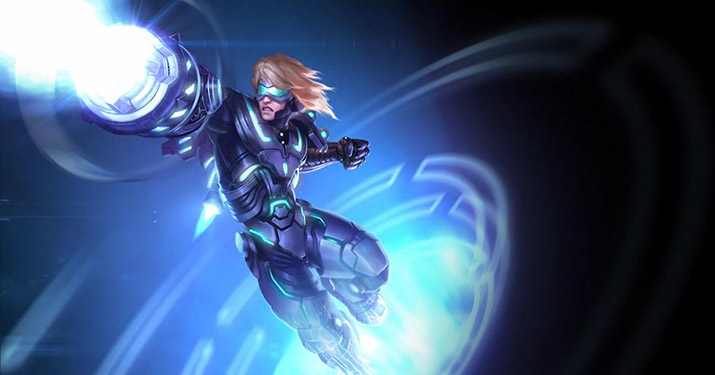
Release date: 29 June 2012
SPIRIT GUARD UDYR
Spirit Guard Udyr is built around stance identity: each stance feels like a different form, and the skin’s value comes from how it makes stance gameplay feel more alive.
If you play Udyr long-term, Ultimate-tier stance identity can be the most satisfying kind of upgrade.
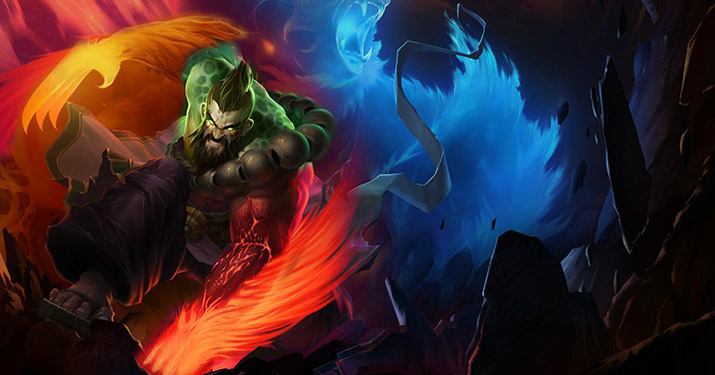
Release date: 17 July 2013
Spirit Guard Udyr Skin Spotlight
DJ SONA
DJ Sona is one of the clearest “Ultimate feature” designs: multiple music styles, a performance fantasy, and an experience layer that feels different even when you’re not fighting.
It’s the kind of skin that can become your entire reason to play the champion.
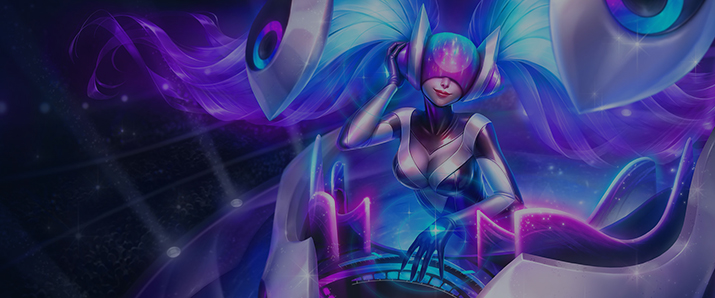
Release date: 25 February 2015
ELEMENTALIST LUX
Elementalist Lux is the “multiple skins inside one” dream: different forms, different spell visuals, and a match-to-match variety layer.
This is the Ultimate tier at its best: it changes your experience across games, not just within one game.
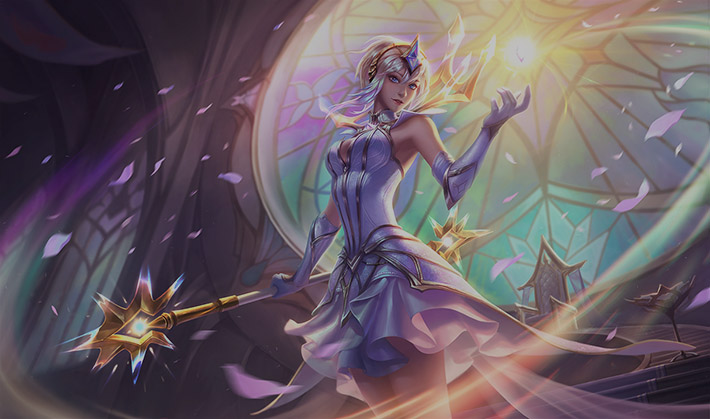
Release date: 28 November 2016
GUN GODDESS MISS FORTUNE
Gun Goddess Miss Fortune focuses on stance-like variation: multiple looks and a strong “arsenal” fantasy.
It’s a collector-friendly Ultimate because it gives you variety without needing to swap skins between games.
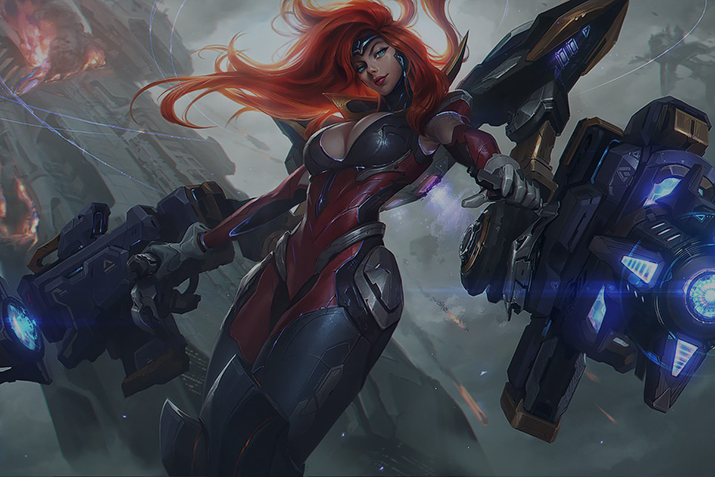
Release date: 22 March 2018
Gun Goddess Miss Fortune Skin Spotlight
LoL LEGENDARY SKINS THAT WERE REMOVED FROM SALE (LEGACY VAULT EXAMPLES)
Some skins rotate into limited availability because of event timing, older production standards, or special release rules.
The key takeaway: “not in the store today” doesn’t always mean “gone forever.” Many limited skins return in special windows.
ANNIE IN WONDERLAND
An early-era example where the model change mattered more than effects. When champions get visual updates, older skins can become more appealing,
but they may still not match modern Legendary expectations.

Release date: 27 April 2010
Annie in Wonderland Skin Spotlight
RED BARON CORKI
A classic pilot fantasy with a simple skin philosophy. These older skins are often bought for nostalgia, not for modern VFX packages.
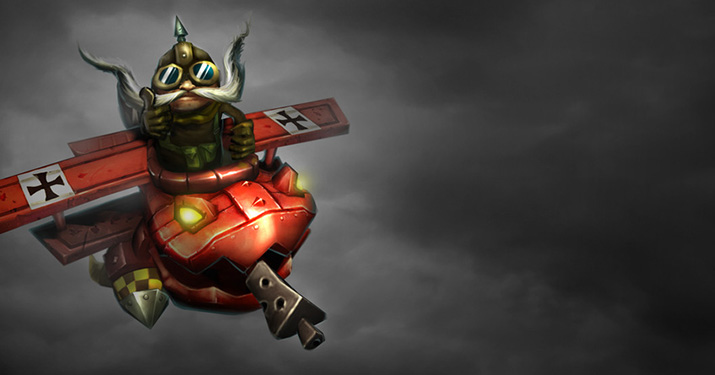
Release date: 24 March 2010
ICE TOBOGGAN CORKI
A playful winter concept that shows how early skins often focused on a single joke. If you love simple, goofy skins, these can be perfect.
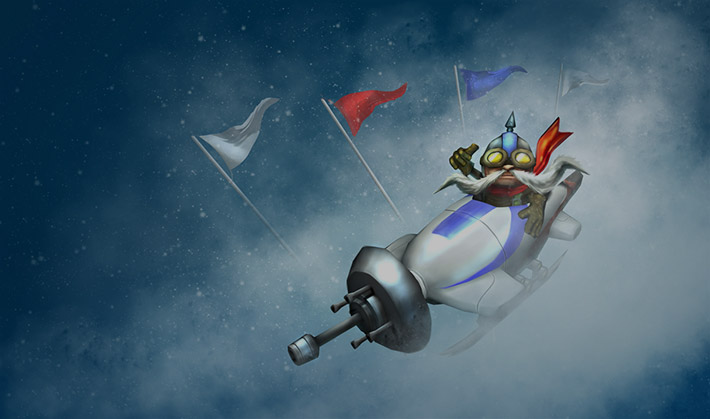
Release date: 24 March 2010
MAGNIFICENT TWISTED FATE
Another older example that gained new life after visual modernization of the base champion. These skins often become “collector favorites” because they represent early LoL history.
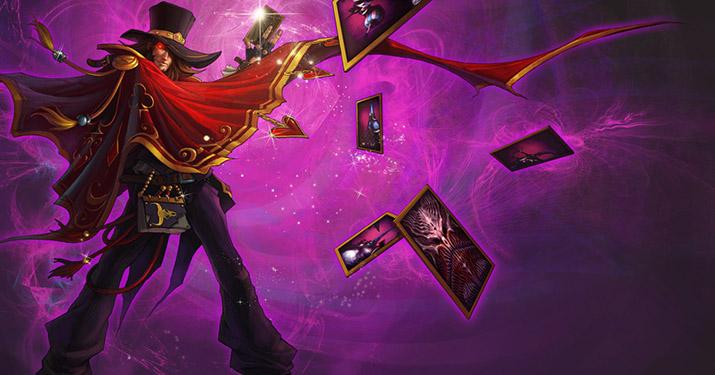
Release date: 18 May 2010
FIREFIGHTER TRISTANA
Firefighter Tristana shows how a small thematic twist (water shots, firefighter vibe) can remain charming long after release.
These skins are often loved because they feel “simple and clean.”
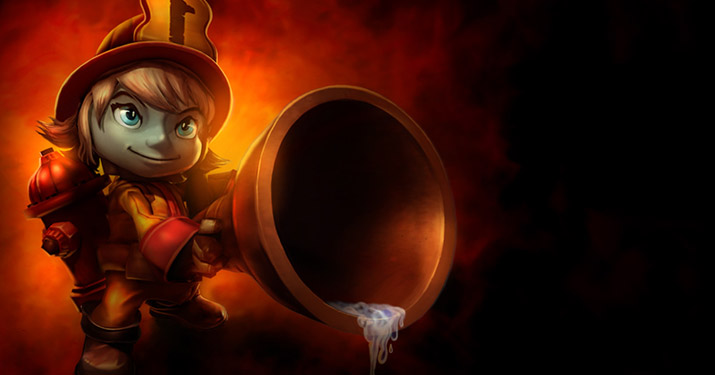
Release date: 4 June 2010
ALIEN INVADER HEIMERDINGER
A quirky sci-fi joke that became more appealing after champion visual improvements. If you main the champion, older themes like this can feel uniquely personal.
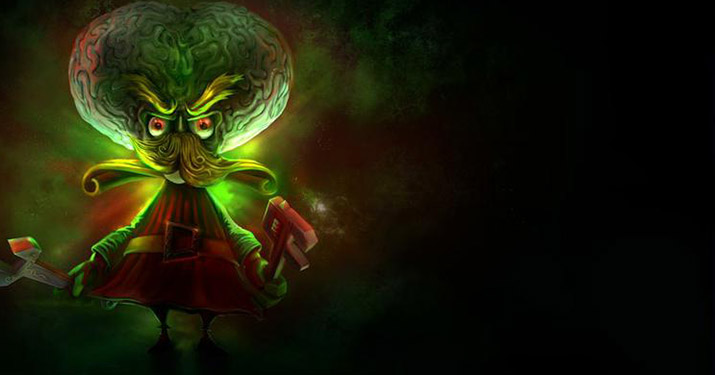
Release date: 14 July 2010
LION DANCE KOG’MAW
Lunar-themed skins often return during seasonal windows. Lion Dance Kog’Maw is known for fireworks-style identity and festive audio/visual flavor.
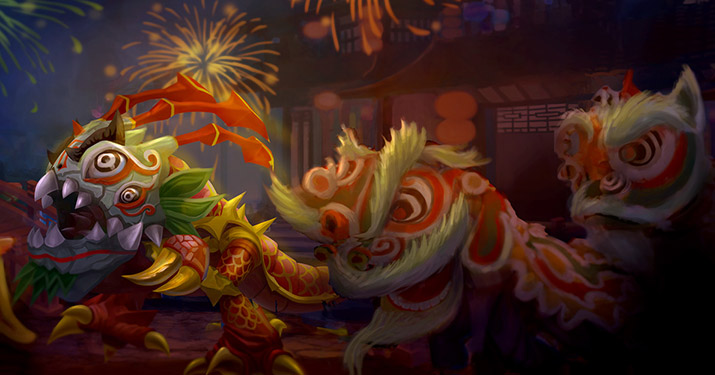
Release date: 1 February 2011
ZOMBIE BRAND
Zombie Brand is often remembered as one of the strongest “old Legendary done right” examples: strong theme, memorable VO, and an unmistakable identity.
Many event-limited skins like this return in seasonal windows.
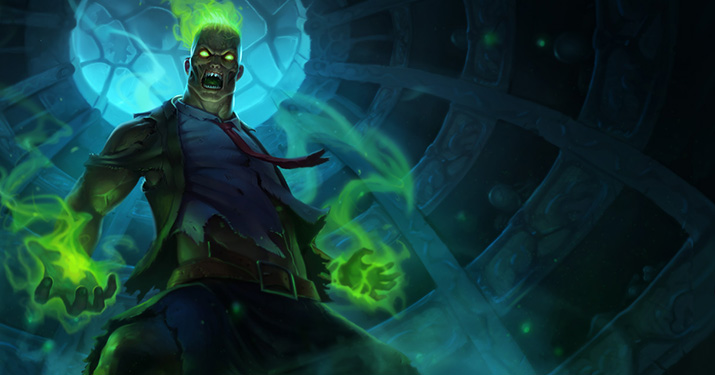
Release date: 26 October 2012
Wild Rift Skins vs LoL Skins: Cores, Crafting, and Gacha Differences
Wild Rift is its own ecosystem. The biggest collection mistake is assuming Wild Rift cosmetics behave exactly like LoL cosmetics.
In Wild Rift, skins are commonly tied to Wild Cores and may also connect to special crafting systems.
Hextech Crafting in Wild Rift
Wild Rift introduced Hextech Crafting with keys and chests. Riot’s official explanation covers the basic structure:
keys cost Wild Cores, and you use multiple keys to open a chest.
See Riot’s pages:
Hextech Crafting in Wild Rift (Support)
and
Hextech Crafting Announcement.
Why this matters for collectors
- Control vs value: crafting can be efficient, but it reduces certainty about what you get.
- Event pressure: some Wild Rift cosmetics feel time-sensitive; budgeting prevents overspending.
- Different pricing logic: Wild Core pricing and platform adjustments can change over time (Riot has posted updates such as Wild Core price changes).
If your focus is Wild Rift rank progression rather than cosmetics, you can check
Wild Rift boosting prices
and explore other services at
boosteria.org.
FAQ: Skin Pricing, Sales, Refunds, and Collection Tips
Do skins give buffs?
No. Skins are cosmetic. They can affect how the game feels (sound, visuals, clarity), but they do not increase champion stats.
Why do some expensive skins feel “older”?
Because tier labels reflect the standards at the time of release. Early Legendary skins leaned heavily on voiceover and theme, while modern Legendary standards often include deeper animation and VFX packages.
Is it smarter to buy one Legendary or two Epic skins?
If you main one champion, a Legendary can be a long-term “forever skin.” If you play many champions, two Epic skins often create more total enjoyment.
What’s the best way to avoid regret purchases?
- Watch a gameplay spotlight first.
- Prioritize auto-attack feel and spell clarity.
- Buy higher tiers only for champions you play consistently.
Will limited skins come back?
Many limited skins return in seasonal windows or special rotations. The best collection approach is patience and planning rather than panic buying.
Legacy Section: Older RP Tiers and How Pricing Shifted
Older LoL pricing discussions often include tiers like 390 RP and 520 RP. These prices are strongly associated with earlier-era skins and older store standards,
and you may still see them referenced in historical lists and classic catalog discussions.
Over time, Riot has also adjusted regional pricing structures and standardized tier definitions in some regions.
For a Riot support example describing tier alignment (regional), see
Price Tiers (regional example).
If you see older tiers like these, the timeless way to interpret them is:
- Lower tiers usually mean lighter production scope (model/texture focus).
- Higher tiers usually mean deeper upgrades (effects, animations, voice).
- Availability rules can matter more than price (vault/event/rotation content).
The classic “older tier” list often shown in historical guides includes:
- 390 RP
- 520 RP
- 750 RP
- 975 RP (common baseline)
- 1350 RP (Epic)
- 1820 RP (Legendary)
- 3250 RP (Ultimate)
More Boosteria Content & Services
More content and services you may like:


