



What Is Elo Boosting in LoL? Meaning, Types, Risks, and How Rank Boost Services Work (Updated 2026)
Updated for 2026: This guide explains “elo boost” in LoL in a timeless way, so it remains useful in 2027 and beyond.
During LoL ranked games, you can sometimes hear phrases like “elo boost”, “elo boosted”, or “that account is boosted.” These terms get thrown around in chat, in post-game lobbies, and across social media—sometimes as an insult, sometimes as a service request, and sometimes as a genuine question from players trying to understand how ranked progression works.
This article is a full, beginner-friendly, SEO-focused guide to what elo boosting means in LoL: where the term came from, how boosting services operate, what “elo boosted” usually implies, who boosters are, and what players should consider before purchasing or providing any kind of ranked progression help. We’ll also cover alternatives like coaching, and we’ll keep the content “evergreen” so it doesn’t become useless as seasons and metas change.
Table of Contents
- What Is Elo Boosting in LoL?
- Why It’s Called “Elo” (Origin of the Term)
- Ranked Basics: MMR, LP, Divisions, and What Boosting Changes
- Types of LoL Boosting: Account Share, Duo, Placements, Coaching
- What Does “Elo Boosted” Mean?
- Who Are Elo Boosters?
- Elo Booster Requirements (Skill + Professional Rules)
- How a LoL Boosting Order Works (Step-by-Step)
- Why Players Buy Boosting
- Rules, Risks, and Account Safety (Important)
- How to Choose a Boosting Service (Practical Checklist)
- Advantages of Elo Boosting by Boosteria
- What Affects Price? (Ranks, LP, Server, Speed)
- Alternatives to Boosting: Coaching, Review, Practice Plans
- FAQ: Common Questions About Elo Boosting
- Glossary: Common Boosting & Ranked Terms
- Legacy Notes: “Elo” vs Modern Ranked Language
1) What Is Elo Boosting in LoL?
Let’s determine what LoL boosting means. Elo Boost definition:
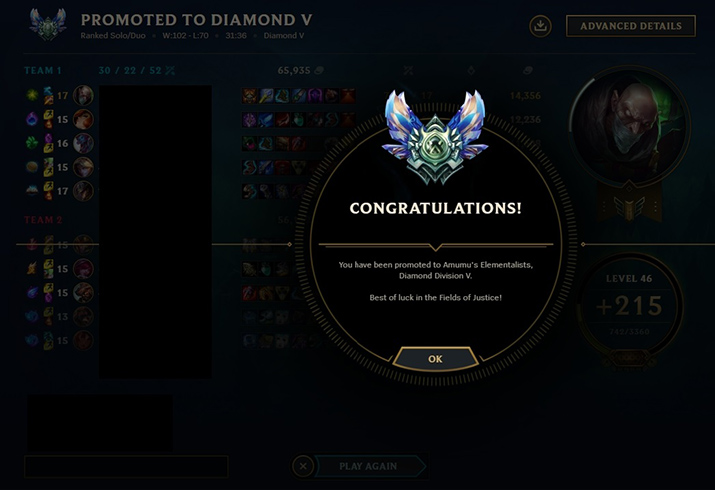
Elo Boost is the process of improving a player’s position in the LoL ranked system by having a more skilled player help progress the account’s rank—either by playing on the account (account sharing) or by playing with the customer (duo boosting), depending on the service model.
In most cases, ranked boosting is a paid service offered by experienced players through a boosting platform. If you’re exploring this option, you can browse a dedicated pricing page here:
LoL Elo Boost prices.
And if you want to see the full platform, order system, or service overview, visit:
Boosteria.
It’s important to understand that “elo boost” is often used as a broad umbrella term. Players might say “elo boost” when they actually mean:
- Division boost (e.g., moving from Silver to Gold)
- LP boost (earning LP within a division to reach promos or the next tier)
- Placement boost (help during placement matches)
- Duo boost (queueing with a stronger player)
- Coaching (learning to climb faster without someone else playing for you)
So, when someone asks “what is LoL boosting?” the best answer is: it’s a way to accelerate ranked progress—either by skill substitution (someone plays for you) or skill support (someone plays with you / teaches you).
2) Why It’s Called “Elo” (Origin of the Term)
The “Elo” in “elo boost” comes from the Elo rating system, a classic method of rating player skill based on wins and losses. In competitive gaming culture, “Elo” became shorthand for “rank,” even in games that don’t literally use Elo as their visible ranked system.
If you want the deeper background, you can read the formal overview here:
Elo rating system (reference).
In LoL specifically, the ranked ladder evolved over time. Players still say “Elo” out of habit—even though the modern ranked structure is usually described in terms like MMR, LP, tiers, and divisions.
Timeless takeaway: “Elo” in LoL slang usually means “rank,” “rating,” or “ladder position,” regardless of the exact underlying math of the current system.
3) Ranked Basics: MMR, LP, Divisions, and What Boosting Changes
To understand boosting, you need a clear mental model of ranked progression. The surface layer is what you see (tier/division/LP). The deeper layer is what the matchmaker uses (MMR).
MMR (Matchmaking Rating)
MMR is the hidden rating that helps the system create balanced matches. You usually can’t see it directly. It changes based on results (wins/losses) and the strength of opponents.
LP (League Points)
LP is the visible progression currency inside your tier/division. Win games to gain LP, lose games to lose LP.
Tiers and divisions
Players climb through a ladder of tiers (for example: Iron → Bronze → Silver → Gold → beyond), and within each tier there are divisions. Even if the names change over the years, the concept stays the same: you’re climbing a structured ladder.
What boosting changes
Boosting mainly affects the visible layer (LP/division/tier). Over time, it can also affect matchmaking behavior because repeated wins can shift MMR. But the practical meaning for a customer is simple:
- Boosting increases your visible rank faster than you can currently do alone.
- That rank can unlock rewards, prestige, or matchmaking experiences you care about.
- The higher you go, the more important it becomes that you can perform at the new level.
This last point is crucial: rank is a badge, but skill is what keeps you stable. That’s why many players pair boosting with coaching or at least replay review—to reduce the “skill gap shock” after the boost is complete.
4) Types of LoL Boosting: Account Share, Duo, Placements, Coaching
Not all boosting is the same. Different services offer different formats. Understanding the difference helps you choose the model that fits your goals, comfort level, and expectations.
A) Account-Share Boosting
This is the classic version most people imagine: you provide access, and a booster plays ranked games on your account to reach the target.
- Pros: fastest results, minimal time needed from the customer
- Cons: requires account access; may violate platform rules; not everyone is comfortable with it
B) Duo Boosting
With duo boosting, the customer queues together with a stronger player. The booster helps increase win rate by macro shotcalling, lane pressure, and consistent decision-making.
- Pros: you play your own account; you can learn patterns live
- Cons: takes your time; you still need to perform enough to avoid dragging win rate down
C) Placement Help
Some players mainly want a strong start. Placement matches (or early-season calibration) can set the tone for the whole climb, so customers look for help here to avoid a bad beginning.
D) Coaching (not boosting, but often compared)
Coaching means you keep full control and improve your skill. Instead of “someone plays for you,” you learn to climb faster yourself through structured guidance, VOD review, champion pool planning, and mistake reduction.
- Pros: long-term improvement; no account access; sustainable
- Cons: results depend on your effort and consistency
Timeless recommendation: If your main goal is long-term stability at a higher tier, combine progression help with learning. Even a small amount of coaching or review can dramatically reduce “post-boost drop.”
5) What Does “Elo Boosted” Mean?
“Elo boosted” is mostly used as a label—sometimes accurate, often emotional. In practice, players use it in three common ways:
1) “This player’s rank is higher than their current performance”
If someone is playing far below the level expected for their tier (poor positioning, repeated bad fights, no objective awareness), teammates may assume the account was boosted.
2) “This player got help reaching this tier”
Sometimes it’s literally true: the player used duo help, account share, or got coached heavily. But even then, “help” doesn’t always equal “fraud.” Many competitive activities involve coaching, teamwork, or training.
3) “I’m angry and need a reason we lost”
This is the most common. People blame teammates for emotional relief. The term “elo boosted” becomes a shortcut insult.
Timeless truth: A single bad game doesn’t prove anything. Even strong players have terrible matches. But repeated patterns over time can create a mismatch between rank and performance—whether from boosting, role swapping, champion changes, or tilt.
6) Who Are Elo Boosters?
So who are they? Let’s determine what a LoL elo booster is:
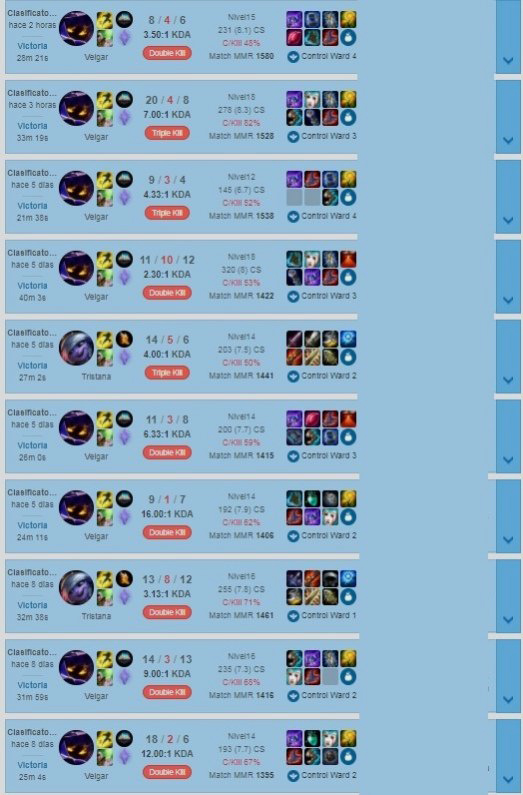
Elo Booster is an experienced ranked player who works through a boosting service to help customers increase their rank—either by playing games for them (account share) or by playing with them (duo boosting).
Sometimes boosters work alone, but in that case it’s harder to find consistent orders and the payout is often lower than working through a structured platform.
A professional booster is not simply “a high-tier player.” In a service environment, boosters are expected to be consistent, predictable, and disciplined—not just mechanically gifted. Reliability matters more than flashy plays, because customers want stable progress with minimal risk and minimal drama.
7) Elo Booster Requirements (Skill + Professional Rules)
It’s not enough to be a player of high tier. Boosters typically follow strict rules to keep performance consistent and avoid unnecessary issues during order execution. Below is a polished, evergreen version of typical service-side requirements (presented as “service standards”).
- Performance consistency: A booster should maintain a strong win rate at the customer’s current level and show steady progress without risky “coinflip” play.
- Predictable pacing: For lower tiers with healthy LP gains, a booster should usually be capable of completing meaningful progress daily (exact pace varies by region, queue times, and account state).
- Low profile behavior: Avoid unnecessary chat interactions, arguments, or attention-seeking behavior that could create account risk.
- Zero toxicity: Flaming, griefing, or ego battles are strictly unacceptable. Good services prioritize stable, respectful play.
- High-tier baseline: Strong services typically recruit boosters from high tiers to ensure they can handle a range of match conditions.
- Professional discipline: Follow the order instructions, respect the customer’s preferences (role/champ pool when applicable), and report progress clearly.
In general, the higher the service standards, the more predictable the result. The goal is not “one insane carry game”—it’s stable progress across many games.
8) How a LoL Boosting Order Works (Step-by-Step)
Every platform has its own flow, but the customer experience usually follows the same timeline. Here’s a timeless, clear breakdown.
Step 1: Choose your goal
Most customers order boosting in one of these formats:
- Current rank → Desired rank (example: Silver to Gold)
- LP package (example: +200 LP within a tier)
- Placement set (example: help for placement matches)
- Duo sessions (example: play together for a fixed number of wins)
Step 2: Select options
Options vary, but common choices include:
- Queue type (Solo/Duo or Flex depending on service)
- Role preference (mid, jungle, support, etc.)
- Champion preference (when available)
- Streaming / live updates (where offered)
- Priority speed (faster start or faster completion when available)
Step 3: Start and progress tracking
Professional platforms provide a customer area where you can:
- Track game history and progress
- See current rank and LP changes
- Message support or (in some systems) communicate with the assigned booster
If you want to see how a structured progress area can look, you can explore a sample interface here:
Boosteria demo.
Step 4: Completion and aftercare
When the target is reached, a quality service typically recommends a “stabilization mindset”:
- Don’t instantly spam ranked if you feel rusty
- Play a few warm-up games
- Stick to a small champion pool
- Focus on fundamentals to hold the new rank
9) Why Players Buy Boosting
Players buy boosting for different reasons—some practical, some emotional, some seasonal. The motivations below stay consistent regardless of the year.
1) Limited time, high goals
Many players can’t grind hundreds of ranked games due to work, school, family, or travel. They still want a certain rank for rewards or personal satisfaction.
2) Seasonal rewards and prestige
Season-end cosmetics, borders, and ranked identity create pressure to finish strong. The closer the cutoff gets, the more demand rises for fast progress solutions.
3) Being “stuck” despite effort
Some players feel trapped at a tier where teammates, role mismatches, or mental fatigue prevent progress. Whether that perception is accurate or not, the frustration can drive them to seek help.
4) Playing with friends at a higher level
People want to queue with higher-ranked friends, participate in organized play, or feel included in a skill group.
5) Resetting confidence
Sometimes the product is not the rank—it’s the feeling of forward movement. Progress can restore motivation and make the game fun again.
Timeless caution: If you buy progression without improving skill, you may feel pressure at the new tier. That’s why pairing rank progress with learning (even minimal coaching) is often the healthiest long-term approach.
10) Rules, Risks, and Account Safety (Important)
Because “elo boosting” can involve account sharing or other forms of competitive assistance, it’s important to understand rules and risk at a high level. This section is informational and designed to help players make informed decisions.
Account sharing and platform rules
Riot has published guidance indicating that account sharing is not allowed and can result in penalties. You can review their official resources here:
Key idea: If a service requires you to share credentials, you should understand that this may violate the publisher’s rules and can create account risk.
Common risks players should consider
- Account security: Sharing credentials always adds risk, even with reputable services.
- Penalty risk: Rule violations can lead to suspensions or bans depending on enforcement.
- Skill gap risk: If your skill doesn’t match your new tier, ranked can become stressful.
- Expectation mismatch: Some customers expect instant results; ranked is still a variable environment.
How to reduce regret (timeless advice)
- Choose a realistic target (one tier at a time is often smarter than giant jumps).
- Combine progress with learning (coaching, VOD review, champion pool planning).
- Plan for stabilization (play fewer, higher-quality games after completion).
11) How to Choose a Boosting Service (Practical Checklist)
If you’re comparing services, use a checklist that prioritizes reliability and transparency over hype. Here’s a timeless, practical framework.
A) Transparency
- Clear pricing breakdown
- Clear scope (what exactly is included)
- Clear timeline expectations (no unrealistic guarantees)
B) Communication
- Responsive support
- Order status tracking
- Ability to clarify preferences (role/champ where applicable)
C) Professional standards
- No toxicity policy
- Consistent boosters (not random unknown accounts)
- Process discipline (updates, rules, predictable delivery)
D) Proof and reputation
- Verified results examples (not just screenshots without context)
- Long-term history (services that have existed for years tend to be more structured)
- Clear dispute or refund policy
For a multi-page ecosystem (home, demo, and pricing), you can reference:
12) Advantages of Elo Boosting by Boosteria
Below is an expanded, evergreen version of the advantages section, written to read naturally (not like keyword stuffing) while still being SEO-friendly.
- Fast order start: Many customers value quick processing so they don’t waste time waiting. A structured platform helps reduce delays.
- Competitive pricing: If you want to compare costs quickly, use the dedicated page:
LoL Elo Boost prices. - Experienced player pool: Strong services recruit high-tier players who can handle varied match conditions consistently.
- Customer area and tracking: A modern dashboard makes progress easy to follow and reduces anxiety about “what’s happening.”
- Structured support: Having support available matters when you’re purchasing time-sensitive ranked help.
- Progress proof culture: Long-running platforms often maintain public results or proof systems to demonstrate consistency.
If you want to explore the platform itself, start here:
Boosteria.
13) What Affects Price? (Ranks, LP, Server, Speed)
Boost pricing is rarely random. Even if you don’t buy, understanding pricing helps you understand how boosting works as a business.
Core pricing factors
- Current rank and desired rank: Higher tiers typically cost more because games are harder and slower.
- Account state: Win rate, MMR, and LP gains can affect how long the climb takes.
- Region/server: Queue times and player density can influence completion speed.
- Queue type: Duo formats may be priced differently than account-share formats.
- Priority speed: Faster delivery options usually cost more because they require scheduling priority.
- Add-ons: Streaming (where offered), role choice, or champion preference can affect cost.
If you want a direct reference for a clean comparison, here is the pricing page again:
https://boosteria.org/lol-elo-boost/prices.
14) Alternatives to Boosting: Coaching, Review, Practice Plans
Not every player needs a boost. Sometimes you need a system. If your goal is to climb and stay there, alternatives can be more satisfying long-term.
A) Coaching sessions
One or two coaching sessions can reveal the biggest mistake patterns that hold you back—like wave management, recall timing, objective setup, or vision habits.
B) VOD review
Replay review is one of the fastest improvement tools because it forces you to see your repeated errors without the adrenaline of the live match.
C) One-champion mastery plan
A timeless climb strategy: pick one primary champion and learn every matchup. The more consistent you become, the more your rank stabilizes naturally.
D) Tilt management rules
Most players lose rank from tilt, not from lack of mechanics. Simple rules like “stop after 2 losses” can save entire divisions.
Best of both worlds: Many players combine a short rank progress service with learning. That way they gain the badge and also gain the stability to hold it.
15) FAQ: Common Questions About Elo Boosting
Is “elo boosting” the same as “rank boosting”?
In LoL slang, yes. Players use “elo boost” as a general phrase meaning rank progress assistance.
Why do people say “elo boosted” as an insult?
Because it suggests someone’s visible rank is not supported by their gameplay. It’s often used emotionally after losses, not as a factual claim.
Will boosting make me better?
Rank progress alone does not guarantee improvement. You improve from learning, practice, review, and consistent decision-making. Boosting can change your rank; coaching changes your skill.
What’s the safest way to avoid “post-boost drop”?
- Pick a realistic target (avoid huge jumps)
- Commit to a small champion pool afterward
- Play fewer games with higher focus
- Consider at least minimal coaching or VOD review
Does LoL literally use Elo?
The word “Elo” is used culturally to mean rank/rating. LoL’s ranked systems have evolved over time, but the slang stayed.
16) Glossary: Common Boosting & Ranked Terms
- Elo boost: slang for rank progression help
- Elo boosted: label implying rank > skill (often used as an insult)
- MMR: hidden matchmaking rating
- LP: visible points used to climb divisions
- Division boost: moving from one division/tier to another
- Placement help: support during placement matches
- Duo boosting: playing with a stronger player
- Coaching: teaching the player to climb independently
- Stabilization: the period after reaching a target rank where you focus on holding it
17) Legacy Notes: “Elo” vs Modern Ranked Language
Even in 2026 and beyond, the phrase “elo boost” will likely remain because it’s deeply embedded in gaming culture. Players will keep using “elo” as shorthand for “rank,” even if the visible ladder structure changes, new tiers are introduced, or seasonal formats evolve.
Evergreen conclusion: Elo boosting is best understood as a spectrum of ranked assistance—from someone playing on an account, to duo queue support, to coaching that improves the player’s ability to climb. If your goal is long-term enjoyment of LoL ranked, the most sustainable path is always the one that builds skill and confidence—not just a badge.
Explore more: Boosteria | LoL Elo Boost prices


