



Naafiri Guide (LoL): Abilities, Combos, Builds, Matchups & How to Carry
Naafiri, the Hound of a Hundred Bites: A Timeless LoL Guide (Updated for 2026)
In the ever-evolving world of LoL, new champions don’t just add another face to the roster—they reshape how players think about risk, tempo, and execution. Naafiri, the Hound of a Hundred Bites, is one of those releases: a streamlined assassin/fighter hybrid built around a pack fantasy, direct target access, and repeatable patterns that reward clean fundamentals more than flashy mechanics.
This article expands far beyond a simple ability overview. You’ll get a complete, evergreen playbook: how Naafiri’s pack actually functions, how her damage patterns work in lane and in skirmishes, how to build and adapt without relying on patch-specific “one true build,” how to approach different mid matchups, how to translate leads into objectives, and how to stay consistent in ranked even when the meta shifts.
If you want the official pages for Naafiri’s story, visuals, and base kit summaries, Riot’s champion hub is a great reference: official Naafiri champion page. Riot also published an official deep-dive on the design goals that shaped her kit: Champion Insights: Naafiri. For a concise official breakdown of how each spell is intended to work, you can also check: Naafiri abilities rundown.
And if your primary goal is simply to climb faster and spend less time stuck in frustrating plateaus, you can review options and transparent pricing here: https://boosteria.org/lol-elo-boost/prices. For more LoL learning content and guides across competitive games, visit boosteria.org.
1) Naafiri’s identity: what she’s designed to do
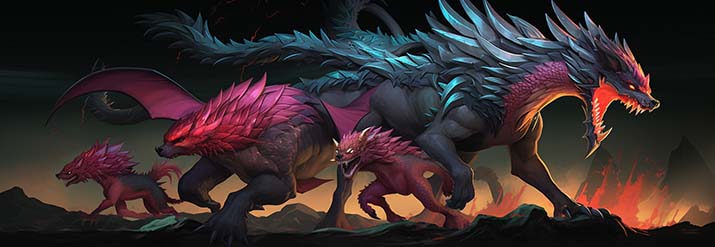
Naafiri is an assassin in the clearest sense: she wants short, decisive fights where she picks a target, reaches it reliably, and deletes it before the opponent can respond. But she’s not built around complex mechanical loops. Her fantasy is pack pressure—you and your packmates collapse on one target, overwhelm it, and immediately look for the next opening.
This design has two important consequences that make Naafiri unique among mid assassins:
- Consistency over complexity: Naafiri’s threat comes from repeatable patterns. You don’t need perfect animation tricks to be dangerous; you need good decisions, clean spacing, and correct timing.
- “Single-target certainty”: Many assassins feel strong only when they find a perfect angle. Naafiri’s kit is built to create an angle more reliably—then punish mistakes hard.
In practical terms, Naafiri excels when you do three things well:
- Manage waves so you can roam or threaten all-ins at the right moment.
- Track cooldowns (both yours and the enemy’s) and strike when the lane is vulnerable.
- Play around packmates—not as a gimmick, but as a source of pressure and follow-up damage that changes how trades resolve.
She’s also a champion who rewards you for understanding threat posture. You don’t always need to commit. Sometimes you win lane because the enemy cannot walk up, cannot contest the wave, and cannot match your side pressure without losing health or summoners.
That’s why Naafiri stays relevant even when metas change: assassins rise and fall depending on items and jungle pacing, but champions who can consistently create threat windows and punish positioning mistakes remain valuable. That’s the timeless core of her kit.
2) One-page quick summary (for returning players)
If you want the condensed version before the deep dive, here’s Naafiri in one page:
- What you want: short trades, controlled waves, and clean target access.
- How you win lane: bleed + pack pressure in trades, then punish cooldowns with decisive engages.
- How you win mid game: shove → move first → threaten sides → collapse with pack.
- How you win fights: arrive late, pick the correct target, and reset tempo after a takedown window.
- What you avoid: long front-to-back teamfights where you must hit tanks for 10 seconds, and blind engages into heavy control.
- What makes you consistent: scouting, wave timing, and disciplined “go/no-go” rules.
Now let’s unpack the engine behind all of that: packmates.
3) Packmates explained: the real engine of her kit
Naafiri’s packmates are the “silent power” of her kit. They’re easy to ignore visually, but they change how trades, last-hitting under pressure, and skirmishes actually resolve. If you play Naafiri like a normal assassin and forget packmates exist, you’ll feel inconsistent. If you understand what packmates do and when they matter, you’ll feel like fights tilt in your favor for free.
3.1 Packmates create multiplicative pressure
Many champions deal damage in a linear way: you hit Q, you deal Q damage. Naafiri’s packmates introduce a multiplier: when your kit successfully tags a target, packmates add follow-up pressure that makes the target’s margin for error smaller. That’s why Naafiri punishes small mistakes so well: one misstep can turn into multiple sources of damage and threat.
3.2 Packmates are a micro-layer, not a separate champion
Naafiri is not a “pet champion” in the traditional sense. You aren’t issuing separate commands. But you do influence pack value through how you choose targets, how you choose timing, and how you set up ability sequences. Think of packmates as:
- Trade amplifiers when you tag the enemy at the right time.
- Last-hit pressure when the opponent must respect that you can punish their approach.
- Skirmish glue that turns “almost killed” into “killed.”
3.3 The big packmate mistake
The most common mistake is engaging at the wrong moment: when your packmates are not positioned to contribute, or when your dash commits you into a fight where the enemy can instantly disable you. Your goal is not to “go in whenever you can.” Your goal is to pick windows where your pack amplifies you and the enemy cannot immediately shut you down.
That’s why Naafiri feels easier than many assassins: your mechanical job is simpler, so your strategic job is bigger. You will climb faster if you build consistent decision rules (we’ll do that in the ranked section).
4) Abilities explained (timeless, no patch-locked numbers)
Below is an expanded, evergreen explanation of each spell—focused on function and decision-making rather than fragile details that can change over time.

Passive – We Are More
This passive defines Naafiri. Packmates spawn and help attack the targets you commit to. In lane, this matters because it turns small advantages into real pressure: if the opponent takes a poor trade, the pack helps you push them out of lane faster than they expect.
How to use it well:
- Trade when you can tag safely. You want short interactions where the pack’s follow-up matters before the enemy can reset.
- Force the enemy to choose: contest the wave and take a bad trade, or give up control and fall behind.
- Remember threat posture: you don’t need to hit them constantly; you need them to believe you can punish them if they walk up.
Q – Darkin Daggers
Q is the foundation of your lane pattern: it applies pressure, enables trades, and helps set up kill windows. The bleed component is important because it changes the value of repeated small hits: you don’t always need a single big burst if your pattern stacks pressure over time.
How to use it well:
- Use Q to control the lane, not only to poke. Threatening Q when the opponent approaches the wave creates space.
- Tag before committing. Many Naafiri kills happen because you landed a meaningful Q first, then used mobility to finish.
- Think “chip → punish.” You chip them down until they cannot safely hold the wave anymore, then you punish with a commit.
W – Hound’s Pursuit
W is Naafiri’s identity as a “reliable access” assassin. Instead of needing a perfect flank every time, you can threaten direct engagement onto a target. That’s powerful—so you must be disciplined.
How to use it well:
- Use W as a verdict, not a question. If you press W, you should already know the outcome you’re playing for.
- Track enemy control tools. If the opponent’s key stun/root is available, your W becomes high risk.
- Use W to punish cooldowns. The cleanest Naafiri kills happen after the enemy used their main defensive spell on the wave, on harass, or on a failed trade.
E – Eviscerate
E is the flexible part of her kit: it can function as follow-up damage, repositioning, or a way to reshape a fight’s geometry. It also refreshes your packmates in a way that matters more than most players realize: it helps your “second phase” of the fight stay dangerous.
How to use it well:
- Don’t autopilot E instantly after W. Sometimes you want to hold E to dodge a key skill or to reposition when the enemy flashes.
- Use E to stay on the correct target. Your damage is most effective when you keep your pressure on a vulnerable carry target.
- Use E defensively when needed. Not every Naafiri play needs to be all-in. If you can take a favorable trade and exit, do it.
R – Call of the Pack
R is your “permission slip” to play faster: more packmates, more threat, and more ability to chase or chain fights. The trap is treating R like a guaranteed win. The real value of R is that it changes what the enemy is allowed to do: they cannot be alone, cannot overextend, and cannot ignore your presence in fog.
How to use it well:
- Use R before you need it. The best ults are proactive—used to force an objective fight, a roam, or a pick—rather than reactive in panic.
- Use R to control space. Even without instantly killing someone, you can push enemies away from waves, jungle entrances, or objectives.
- Chain pressure. After a successful pick or skirmish, use the momentum to secure vision, take plates, or rotate to the next play.
5) Mid lane plan: trading, wave control, and roam windows
Naafiri’s mid lane is not about constant fighting. It’s about owning the timing of fights. Mid is a short lane with fast access to river, jungle, and objectives. That makes wave control more valuable than raw damage numbers.
5.1 The three lane phases
You can simplify Naafiri’s mid lane into three phases:
- Phase A: establish threat. You show the opponent that walking up has a cost. You trade carefully and avoid unnecessary losses.
- Phase B: control the wave. You decide when the wave is pushed, when it’s held, and when you can leave lane.
- Phase C: punish or roam. If the opponent stays, you look for all-in windows. If they play safe, you roam and create pressure elsewhere.
5.2 The lane pattern that stays relevant
Timeless assassins follow a timeless lane pattern:
- Tag the enemy with safe pressure (often Q).
- Force them to respond (back away, use a defensive spell, or lose health).
- Control the wave so they can’t reset without losing something.
- Commit when the opponent’s defensive tools are down or the wave locks them in place.
If you try to skip steps—commit without tagging, or commit without understanding the wave—you’ll feel coinflip. If you follow the pattern, you’ll feel consistent.
5.3 Wave control: the assassin’s real weapon
In mid lane, your wave determines your freedom. A simple set of rules makes you dramatically better:
- When you want to roam: push the wave first so the enemy loses minions if they follow.
- When you want to punish: keep the wave in a spot where the enemy must walk up to last-hit.
- When you are vulnerable: don’t mindlessly push—hold the wave closer to your side to reduce gank angles.
Even in seasons where jungle pressure is high, these rules hold. The exact gank patterns shift from year to year, but the logic remains: your wave position determines your risk and your opportunity.
5.4 Roam windows: Naafiri’s easiest wins
Naafiri loves roams because she punishes isolated targets and skirmishes quickly. Your best roam windows happen when:
- The enemy mid used a key cooldown on the wave or a failed trade.
- You pushed the wave and the enemy must choose between matching you or losing farm.
- Your side lane is volatile (low HP targets, immobile carries, or fights about to happen).
Your goal is not to roam randomly. Your goal is to roam with a reason: “I can get a kill, force summoners, or secure an objective setup.” That single mindset upgrades your consistency.
6) Matchups: how to think vs mages, fighters, and control picks
Matchups change with patches, but matchup types don’t. If you learn how to approach categories, you’ll stay strong even when specific champions rotate in and out of popularity.
6.1 vs control mages (range + waveclear)
Control mages want to keep you at arm’s length, push waves safely, and punish engages with crowd control. Your job is to create windows where they cannot do all three at once.
Win conditions:
- Cooldown punishment: wait for the mage to use their defensive spell or primary control, then threaten W.
- Wave manipulation: create a wave state that forces the mage to walk up or lose farm.
- Roam leverage: if the mage plays too safe to be killed, you beat them by moving first and creating side pressure.
Common trap: forcing all-ins through a ready stun/root. You will lose tempo and invite ganks. Be patient and punish the moment the lane “opens.”
6.2 vs burst mages (high damage, but fragile)
Burst mages are dangerous because they can delete you if you commit at the wrong time. But they’re also often fragile and vulnerable if they miss a key spell.
Win conditions:
- Dodge first, commit second. If you can bait out or sidestep their main burst tool, the matchup flips.
- Short trades. Don’t stand and “box.” Tag, back out, repeat.
- All-in with advantage. Commit when they’re low enough that they cannot survive the pack collapse.
6.3 vs melee fighters (durable, hard to burst)
Some melee picks want long fights and thrive when you can’t burst them. Against these, your plan shifts: you focus more on wave control, roams, and punishing overextensions rather than “I must kill mid 1v1.”
Win conditions:
- Don’t give them long trades. You’ll lose attrition and get forced out.
- Push and move. Use mid priority to influence sides and objectives.
- Pick the right fights. You’re not obligated to fight the fighter; you’re obligated to win the game.
6.4 vs heavy control (multiple disables)
When the enemy comp has layered crowd control, Naafiri’s job is to be surgical. You don’t want to be the first champion seen. You want to appear after the first wave of spells has been used.
Win conditions:
- Fog of war. You become more dangerous when the enemy cannot see you.
- Patience. Wait for key control spells to be used on your teammates or on the frontline.
- Target selection. Sometimes the correct target is not the most fed enemy, but the one you can actually reach safely.
7) Combos & execution patterns (easy, consistent, lethal)
Naafiri’s combos are not about complex animation tricks. They’re about sequence and timing. You want to build a habit: tag → commit → reposition → finish. Below are practical patterns you can use in most games.
7.1 “Tag and test” (lane trading)
Goal: win lane without committing your life.
- Use Q when the opponent walks up for a last hit.
- Let pack pressure do its work.
- Back out before the enemy can punish with their full combo.
This pattern is how you create lane dominance without taking unnecessary risk. You’re building health advantage and forcing defensive play.
7.2 “Verdict engage” (standard all-in)
Goal: kill a target when their defenses are down.
- Land meaningful poke/tag first (often Q).
- Commit with W when you know the enemy can’t stop you cleanly.
- Use E to stay on target or reposition through counterplay.
The key is the word “verdict.” You aren’t guessing. You commit when you’ve already created the conditions for a favorable outcome.
7.3 “Hold E” (anti-Flash pattern)
Many players instantly press E after W. A more consistent pattern is to hold E briefly so you can react to the enemy’s Flash or displacement. If you save E, you can:
- Follow their escape.
- Dodge a critical spell.
- Re-angle to avoid diving into control.
7.4 “R pressure” (objective and roam pattern)
R is not only for fights. It’s also for making fights inevitable.
- Pop R before entering fog near an objective.
- Force the enemy to back away from river entrances and choke points.
- Look for isolated targets who cannot safely stand alone.
This is one of the most timeless ways to win with assassins: don’t wait for the enemy to misplay—create a map state where misplays are more likely.
8) Builds that stay relevant: item logic, not patch recipes
Builds change. Item names, costs, and stats shift over time. The players who stay high rank aren’t the ones who memorize “the build,” but the ones who understand why a build works and how to adapt when the environment changes.
8.1 Decide your identity each game
Naafiri commonly plays one of two identities:
- Assassin burst: maximize your ability to delete a carry quickly. You prioritize damage stats that help you win short fights.
- Fighter pressure: build enough durability and haste to stay useful in longer fights, especially into comps that are hard to one-shot.
You don’t need to lock into one identity forever. But you do need to know which one your game demands.
8.2 The timeless stats Naafiri loves
- Attack damage to scale your core kit into kill pressure.
- Ability haste so you can create more windows and punish more often.
- Penetration/lethality when your job is to remove squishy carries quickly.
- Defensive tools (shields, spell protection, or durability) when the enemy has heavy control or burst.
Think of items as answers to questions:
- Can I reach the carry? (If not, you need better angles, vision, or durability.)
- Can I survive the counterburst? (If not, you need defensive value.)
- Do they have shields/healing? (If yes, you may need anti-shield or healing reduction options.)
8.3 Practical build frameworks
Framework A: Burst carry removal
- Prioritize early damage + lethality/pen options.
- Choose one defensive “permission item” when needed (especially vs control).
- Play for picks, side pressure, and short fights.
Framework B: Durable skirmisher
- Mix damage with durability/haste so you can stay relevant even if you can’t instantly kill.
- Focus on mid-game skirmishes around objectives.
- Play fights with patience rather than immediate dives.
Both frameworks remain viable across years because they’re not tied to a specific patch. They’re tied to matchups, enemy comp structure, and your role in fights.
8.4 Boots and tempo
Boot choice is often about tempo and threat. If you can move first, you can create plays first. If you can dodge key skillshots, you can commit more confidently. If you can survive burst, you can take angles that would otherwise be impossible.
The simple rule: choose boots that help you execute your plan, not boots that “look best on paper.”
9) Runes & summoners: choosing your “mode” each game
Runes and summoners define how you want to win. Even if rune names and minor paths shift over time, the concept stays constant: you pick a setup that matches your identity and your opponent’s tools.
9.1 Rune philosophy for Naafiri
In most games, you’re choosing between:
- Explosive burst: faster kills, stronger short trades, higher snowball potential.
- Sustained skirmish: better extended fights, more forgiveness, more stable teamfight value.
Ask one question: Do I win by deleting one target fast, or by staying useful through multiple phases of a fight?
9.2 Summoner spell logic
Summoners should match matchup reality:
- When you need kill threat: take the summoner that helps secure all-ins or denies healing.
- When you need survivability: take the summoner that protects you from burst or enables safer commits.
- When you need map impact: take the summoner that helps you influence side lanes and objectives.
This remains evergreen: the best Naafiri players don’t autopilot summoners—they choose based on lane and team comp.
10) Macro: how Naafiri converts pressure into wins
Naafiri’s macro is simple to describe but difficult to master: push, disappear, punish. You push the wave, you vanish into fog, and you punish whoever plays the map incorrectly.
10.1 The assassin triangle: wave, vision, and timing
Assassins win when these three things align:
- Wave: you have priority or you’ve manipulated the wave so you can move.
- Vision: the enemy lacks information about where you are.
- Timing: you appear when a target must walk into danger (rotations, objectives, side waves).
If you miss one corner of the triangle, the play becomes risky. If you align all three, Naafiri feels oppressive.
10.2 Side lane pressure (without throwing)
Many mid assassins lose games because they overstay in side lanes. The goal isn’t to “permanently split.” The goal is to create a situation where someone must answer you, then punish their movement.
Simple rules:
- Push one wave, then reset your position. Don’t autopilot to the tower every time.
- Leave when you’ve done your job. If you forced two enemies to come, you already won value—don’t donate a shutdown.
- Use fog to threaten. Disappearing is sometimes stronger than fighting.
10.3 Objective setups
Naafiri is excellent at turning objective areas into danger zones. Before a dragon, Rift, or Baron-type fight, you want to:
- Push mid wave (so the enemy must respond).
- Move into fog with teammates.
- Control a choke with threat—forcing the enemy to facecheck or give space.
This is where Naafiri’s kit feels most “unfair” to opponents: they must walk into a zone where one wrong step equals death.
11) Teamfights: target selection, flanks, and anti-tilt rules
Teamfighting as Naafiri is not about being the hero who starts everything. It’s about being the finisher who makes fights collapse.
11.1 Target selection: the rule that saves your games
Your target is not “the nearest champion.” Your target is not “the fed champion.” Your target is:
The highest-value target you can reach safely with your current information.
If you commit onto the wrong target, you will die, lose your tempo, and the fight will be lost. If you commit onto the right target—even if it’s not the flashiest—you’ll win more consistently.
11.2 The patience pattern
A timeless assassin teamfight pattern:
- Arrive to the fight from fog or a side angle.
- Wait for the first wave of control spells.
- Commit after key cooldowns are used.
- Secure the takedown, then decide if you can chain or must exit.
11.3 The “two exits” rule
Before you commit, you should know your exit plan. Ideally, you have two exits:
- Exit A: you kill and move through the fight’s chaos.
- Exit B: you reposition or disengage if the fight turns.
When you commit without exits, you become a shutdown donation. When you commit with exits, you become a consistent win condition.
12) Playing from ahead vs behind (and not throwing)
Naafiri is a champion where “ahead” and “behind” require different mindsets.
12.1 When you’re ahead
- Don’t force tower dives without vision. You can win more reliably by controlling waves and jungle entrances.
- Use your lead to create map fear. Disappear into fog after pushing waves.
- Convert kills into objectives. Plates, towers, jungle control, and dragons matter more than scoreboard padding.
12.2 When you’re behind
- Stop bleeding. Your first job is to avoid dying while keeping farm and experience.
- Look for numbers advantage fights. You’re still dangerous in skirmishes if you arrive at the right time.
- Play for picks with teammates. Alone, you’re weaker; with setup, you still delete targets.
The biggest behind mistake is desperation engages. If you’re behind, you must be more selective, not less.
13) How opponents beat Naafiri (so you can beat them first)
You become much better at a champion when you understand how players try to counter it. The most reliable ways opponents beat Naafiri are:
13.1 Crowd control on entry
If you dash in and get instantly disabled, you lose your window. That’s why you must track key control spells and avoid committing first in fights.
13.2 Wave denial
If the enemy keeps the wave in a bad position and denies you roam timing, your game slows down. That’s why wave management is your main skill lever, not just mechanics.
13.3 Grouping and vision
Naafiri punishes isolation. If the enemy plays disciplined grouping and keeps vision, your pick windows shrink. That means your job becomes “create fog,” not “force picks.”
13.4 Anti-snowball discipline
If the enemy refuses to give you repeated small mistakes, your snowball is slower. That’s why you should take consistent value (plates, waves, objectives) rather than hunting only for highlight kills.
14) Drills: a training plan that makes you improve fast
Naafiri improves quickly when you practice the right things. Here are drills that build real skill and stay useful regardless of meta:
14.1 Wave timing drill (10 games)
- Before every roam attempt, push the wave first.
- After you push, count 10 seconds and ask: “What does the enemy mid lose if they follow?”
- Only roam if the answer is “they lose minions/plates/priority.”
14.2 Cooldown punishment drill (10 games)
- Pick one key enemy spell in lane (their main control or escape).
- Every time they use it, you must either trade aggressively or take wave control.
- Review: did you punish immediately, or did you miss the window?
14.3 “Hold E” discipline drill (10 games)
- In all-ins, delay E briefly unless you must use it immediately to survive.
- Track how often you successfully react to Flash or a key spell because E was available.
14.4 Target selection drill (every fight)
Before you press W in a teamfight, say the target out loud (even if you’re alone): “I’m going for X.” This builds the habit of intentional engagements instead of autopilot diving.
15) Ranked consistency: decision rules that protect your MMR
Most players don’t fail because they lack mechanics. They fail because they play different “games” depending on mood. Consistency comes from rules that prevent emotional decisions.
15.1 Three rules to stop throwing
- Rule 1: If you can’t see the enemy jungler and you’re past the river, you are borrowing risk—make sure you’re getting paid (plates, wave crash, objective).
- Rule 2: Don’t commit with W unless you know what spell is stopping you and why it’s unavailable or irrelevant.
- Rule 3: After every kill, immediately choose: reset, objective, or invade. Don’t wander.
15.2 The “two win conditions” habit
In champ select or early lane, define two win conditions:
- Win condition A: “I will kill my lane opponent if they use X cooldown wrongly.”
- Win condition B: “If lane is safe, I will roam to bot/top after pushing.”
This prevents the classic assassin problem: becoming useless when lane is unkillable. Naafiri remains valuable because your second win condition can be map pressure and picks.
16) Climb support & learning resources
If you want more structured learning resources for LoL and competitive improvement topics, you can explore the main hub at boosteria.org.
If your focus is climbing with less time wasted in low-quality games, tilt streaks, or long plateaus, you can review rank support options and transparent pricing here: https://boosteria.org/lol-elo-boost/prices.
And if you want to refine execution across champions—not only Naafiri—this guide pairs well with assassin fundamentals: Professional Tricks in League: Cancels and Combos.
17) Legacy & dated details (kept at the end)
This section contains date-specific details that are useful for historical context but not needed to play Naafiri well long-term.
17.1 Naafiri’s original release window
Naafiri debuted during the 13.14 patch cycle in 2023. Riot’s patch notes for that cycle included a specific availability timestamp for Naafiri and related cosmetics. If you want the exact historical announcement, see the official patch notes page: Patch 13.14 notes.
17.2 Patch format reference for 2026
In 2026, Riot’s support documentation describes the patch format as YEAR.PATCH-NUMBER (for example, 26.01, 26.02, etc.) and provides a planned schedule. For the official schedule reference, see: Patch schedule (Riot Support).
17.3 Official Naafiri resources
- Naafiri champion page
- Naafiri abilities rundown
- Champion Insights: Naafiri
- Official patch notes archive


